English
 Español
 tiếng việt
 русский
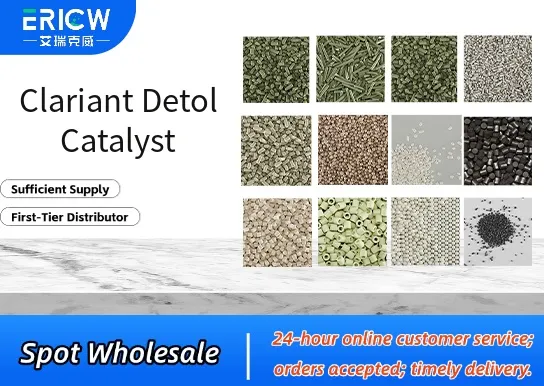
Highly selective palladium-based catalyst enabling efficient dechlorination under mild operating conditions.
Exceptional thermal and chemical stability, ensuring consistent performance across extended reactor cycles.
Low metal leaching profile, meeting stringent regulatory requirements for pharmaceutical and fine chemical manufacturing.
Engineered for easy handling and safe on-site activation—no specialized equipment required.
Available in customizable particle size distributions to optimize mass transfer and pressure drop in fixed-bed reactors.
Dehalogenation of aromatic intermediates in active pharmaceutical ingredient (API) synthesis.
Clean removal of chlorinated impurities from agrochemical precursors.
Hydrodechlorination in the production of high-purity electronic-grade solvents.
Environmental remediation of chlorinated hydrocarbons in wastewater treatment streams.
Selective C–Cl bond cleavage in specialty polymer modifier synthesis.
| Chemical Type | Palladium on activated carbon (Pd/C), sulfur-modified |
| Product Form | Free-flowing granular solid |
| Appearance | Black, odorless granules |
| Palladium Content | 5 wt% (nominal) |
| Moisture Content | < 5.0 wt% |
| Particle Size Range | 1.2–2.5 mm (standard grade) |
| Primary Applications | Hydrodechlorination, reductive dehalogenation |
| Storage Conditions | Store in cool, dry place under inert atmosphere; avoid exposure to air and moisture |
Q1: What is the primary function of Clariant Detol Catalyst in polymer processing?
A: Clariant Detol Catalyst is a specialized transition metal-based catalyst designed to accelerate crosslinking and curing reactions—particularly in peroxide-initiated systems for thermoset polymers and elastomers. It enhances reaction efficiency and helps achieve more consistent vulcanization profiles under standard processing conditions.
Q2: Is Clariant Detol Catalyst compatible with food-contact or pharmaceutical-grade polymer formulations?
A: Clariant Detol Catalyst is not pre-qualified for direct food-contact or pharmaceutical applications. Its suitability depends on full regulatory assessment by the end-user, including evaluation of final extractables, process conditions, and compliance with applicable regional regulations. Customers are advised to conduct thorough compatibility and safety testing prior to use in sensitive applications.
Q3: How should Clariant Detol Catalyst be handled and stored to maintain performance?
A: Store in original sealed containers under dry, cool conditions (preferably below 25 °C) and protect from moisture, direct sunlight, and strong oxidizing agents. Handle using appropriate personal protective equipment (PPE), including gloves and eye protection, as it may cause skin and respiratory irritation. Avoid inhalation of dust and ensure adequate ventilation during handling.
Q4: Can Clariant Detol Catalyst be used in combination with other catalysts or accelerators?
A: Yes—Clariant Detol Catalyst is often used synergistically with conventional sulfur-based or secondary accelerator systems to fine-tune cure kinetics and improve scorch safety. However, compatibility and interaction effects must be verified experimentally for each specific formulation, as co-catalyst behavior can vary significantly across polymer types and processing parameters.
Contact With Us:
E-mail: wangxingqiang@ericwchem.com
Have a Questions? Call Us:
Add:
Building A1, Jiete Industrial Park, Huangpu District, Guangzhou City, Guangdong Province, China