English
 Español
 tiếng việt
 русский
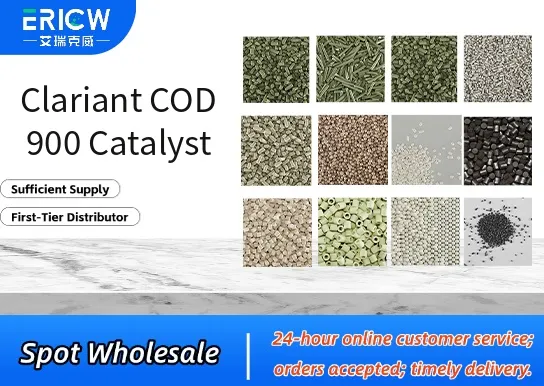
Highly selective palladium-based formulation optimized for low-temperature chemical oxygen demand (COD) reduction.
Robust thermal and chemical stability under continuous industrial wastewater treatment conditions.
Low leaching profile ensures compliance with stringent environmental discharge regulations.
Engineered for easy integration into fixed-bed or fluidized-bed reactor systems without pre-activation.
Consistent performance across variable influent pH (5.5–9.0) and organic load fluctuations.
Advanced oxidation processes (AOPs) in pharmaceutical manufacturing wastewater treatment.
Post-biological polishing of textile dyeing effluents containing recalcitrant azo compounds.
COD abatement in fine chemical synthesis streams prior to municipal sewer discharge.
Hybrid catalytic-membrane systems for zero-liquid-discharge (ZLD) facilities.
Treatment of agrochemical formulation rinse waters with high dissolved organic carbon content.
| Chemical Type | Palladium-on-carbon (Pd/C) heterogeneous catalyst with proprietary promoter system |
| Product Form | Granular, cylindrical extrudates (1.8–2.2 mm diameter) |
| Appearance | Black, free-flowing granules |
| Palladium Content | 0.5 wt% ± 0.05% |
| Specific Surface Area | 850–1,050 m²/g (BET N₂ method) |
| Crush Strength | ≥ 4.5 N/mm (average per particle) |
| Moisture Content | ≤ 15 wt% (as supplied) |
| Primary Applications | Catalytic COD reduction in industrial wastewater streams |
Q1: What is the primary function of Clariant COD 900 Catalyst in polymer processing?
A: Clariant COD 900 Catalyst is designed to accelerate crosslinking and condensation reactions in silicone-based systems, particularly supporting efficient room-temperature or low-temperature vulcanization (RTV/LTV) processes. It enhances cure speed and final network density without compromising pot life under standard handling conditions.
Q2: Is COD 900 compatible with platinum-catalyzed silicone formulations?
A: No — COD 900 is a tin-based catalyst and is not intended for use in platinum-catalyzed (hydrosilylation) systems. It is specifically formulated for tin-catalyzed condensation-cure silicones and may inhibit or interfere with platinum activity if co-used.
Q3: How should COD 900 be handled and stored to maintain stability?
A: Store in original sealed containers at temperatures between 5 °C and 30 °C, protected from moisture and direct sunlight. Avoid prolonged exposure to humid air during handling, as it may lead to premature reactivity or viscosity changes. Always follow standard industrial hygiene practices for organotin compounds.
Q4: What are typical dosage ranges for COD 900 in RTV silicone sealants?
A: Dosage depends on formulation requirements and desired cure profile, but it is typically used at low concentrations — generally ranging from 0.1% to 2% by weight relative to the base polymer. Optimization should be performed via small-scale trials under actual production conditions.
Contact With Us:
E-mail: wangxingqiang@ericwchem.com
Have a Questions? Call Us:
Add:
Building A1, Jiete Industrial Park, Huangpu District, Guangzhou City, Guangdong Province, China