English
 Español
 tiếng việt
 русский
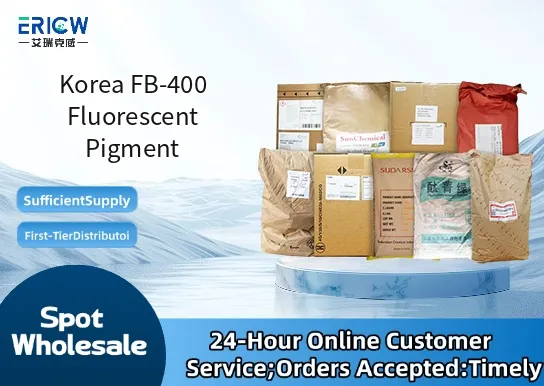
High-intensity fluorescence under UV and daylight exposure.
Excellent thermal stability up to 220°C for processing in thermoplastics and coatings.
Good dispersibility in both polar and non-polar resin systems.
Low migration tendency, ensuring color fidelity in PVC, PS, and ABS applications.
Compliant with REACH and RoHS directives for safe industrial use.
Fluorescent signage and safety markings in transportation and construction.
UV-responsive inks for security printing and brand authentication.
High-visibility components in automotive interior trim and dashboards.
Fluorescent masterbatches for extruded profiles and injection-molded parts.
Specialty coatings for outdoor advertising panels and architectural accents.
| Chemical Type | Disazo fluorescent pigment |
| Product Form | Fine powder |
| Appearance | Bright yellow-green solid with consistent particle size distribution |
| Primary Applications | PVC, polystyrene (PS), ABS, polyolefins, and solvent-based coatings |
| Key Features | UV resistance, low bleed, high chroma, non-toxic formulation |
| Benefits | Enhanced visibility, long-term photostability, easy integration into existing compounding lines |
| Storage Conditions | Store in cool, dry place away from direct sunlight and moisture |
| Shelf Life | 24 months from date of manufacture under recommended conditions |
Q1: What types of resins and polymers is Korea FB-400 compatible with?
A: Korea FB-400 demonstrates good compatibility with a broad range of thermoplastic and thermosetting systems, including ABS, PS, PVC, acrylics, polyesters, and epoxy-based coatings. It is not recommended for high-temperature processing above 220°C without prior thermal stability evaluation.
Q2: How lightfast is Korea FB-400 under UV exposure?
A: As a fluorescent pigment, FB-400 provides strong initial brightness but exhibits moderate lightfastness. Prolonged direct UV exposure may lead to gradual fluorescence attenuation. For outdoor applications requiring extended durability, it is advised to use UV stabilizers and protective topcoats.
Q3: Can Korea FB-400 be used in food-contact plastics or inks?
A: Korea FB-400 is not certified for direct food contact applications. Its use in packaging or consumer goods must comply with applicable regional regulatory requirements, and formal migration testing and regulatory review are required before commercial deployment.
Q4: What is the typical dosage range for achieving optimal fluorescence intensity?
A: Optimal fluorescence intensity is typically achieved at low concentrations—generally ranging from 0.1% to 2% by weight, depending on the base resin, film thickness, and desired visual effect. Overloading may cause aggregation and reduce transparency or brightness.
Contact With Us:
E-mail: wangxingqiang@ericwchem.com
Have a Questions? Call Us:
Add:
Building A1, Jiete Industrial Park, Huangpu District, Guangzhou City, Guangdong Province, China