English
 Español
 tiếng việt
 русский
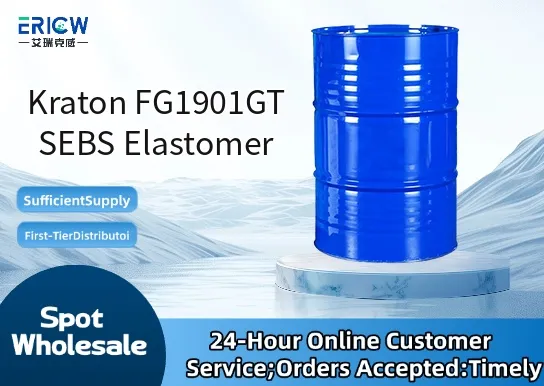
Highly balanced melt processability for efficient extrusion and injection molding.
Excellent soft-touch feel and low compression set for premium tactile performance.
Superior UV and thermal stability versus conventional SEBS grades.
Good compatibility with polypropylene (PP) and thermoplastic polyolefins (TPOs) for alloy formulations.
Low extractables and compliant with FDA 21 CFR §177.2600 for food-contact applications.
Soft-grip overmolding for power tools, hand tools, and consumer electronics.
Automotive interior trim components including door panels, armrests, and instrument bezels.
Medical device housings and ergonomic grips requiring biocompatibility and skin-safe formulation.
Packaging closures and dispensing systems where flexibility and seal integrity are critical.
Personal care product casings (e.g., electric toothbrushes, shavers) demanding durability and comfort.
| Chemical Type | Styrene–ethylene/butylene–styrene (SEBS) triblock copolymer |
| Product Form | Pellets |
| Appearance | Off-white to light tan, free-flowing pellets |
| Primary Applications | Thermoplastic elastomer (TPE) overmolding, soft-touch compounds |
| Key Features | High elasticity, low hardness (Shore A ~35–45), excellent flow |
| Benefits | Reduced cycle times, improved part aesthetics, enhanced grip performance |
| Regulatory Compliance | FDA 21 CFR §177.2600; meets UL 94 HB flammability rating |
| Processing Method | Extrusion, injection molding, two-shot molding |
Q1: What is the primary function of Kraton FG1901GT in thermoplastic elastomer (TPE) formulations?
A: Kraton FG1901GT is a selectively hydrogenated styrenic block copolymer (SEBS) designed to serve as a soft-phase modifier and compatibilizer in TPE blends—enhancing melt processability, improving tensile resilience, and contributing to balanced hardness and elasticity without sacrificing thermal stability.
Q2: Is Kraton FG1901GT suitable for medical or food-contact applications?
A: Kraton FG1901GT is manufactured under stringent quality controls and is commonly selected for applications requiring regulatory compliance, including certain medical device components and food-contact packaging. Final suitability depends on full formulation evaluation and end-use regulatory validation by the customer.
Q3: How does Kraton FG1901GT differ from standard SBS or non-hydrogenated styrenic elastomers?
A: Unlike conventional SBS, the selective hydrogenation in FG1901GT significantly improves oxidative and UV stability, reduces permanent set, and enhances long-term mechanical retention—making it preferred for demanding applications where aging resistance and consistent performance are critical.
Q4: What types of polymers or resins is Kraton FG1901GT typically blended with?
A: FG1901GT is widely used in blends with polypropylene (PP), polyethylene (PE), and rigid styrenics to formulate soft-touch overmolds and flexible compounds. It also functions effectively as a compatibilizer in polyolefin-based thermoplastic vulcanizates (TPVs) and polymer alloys requiring phase stabilization.
Q5: What processing methods are recommended for Kraton FG1901GT-containing compounds?
A: Compounds containing FG1901GT are readily processed via standard thermoplastic techniques—including injection molding, extrusion, and two-shot molding—with good melt flow and minimal thermal degradation when processed within typical SEBS temperature windows.
Contact With Us:
E-mail: wangxingqiang@ericwchem.com
Have a Questions? Call Us:
Add:
Building A1, Jiete Industrial Park, Huangpu District, Guangzhou City, Guangdong Province, China