English
 Español
 tiếng việt
 русский
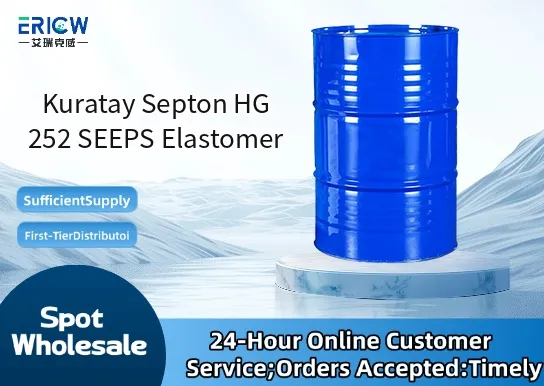
Highly hydrogenated styrene–ethylene/propylene–styrene (SEEPS) thermoplastic elastomer offering exceptional thermal stability and oxidative resistance.
Excellent clarity and low haze, enabling premium optical performance in transparent or translucent applications.
Superior melt processability with low viscosity and narrow molecular weight distribution for consistent extrusion and injection molding.
Outstanding UV resistance and long-term weatherability without requiring additional stabilizers.
Good compatibility with polyolefins, polystyrene, and various plasticizers—facilitating versatile compound formulation.
Medical tubing and soft-touch components requiring USP Class VI compliance and biocompatibility support.
High-clarity packaging films and blister lidding layers for pharmaceutical and nutraceutical products.
Premium personal care dispensers, grips, and overmolded seals demanding skin-friendly tactility and durability.
Automotive interior trim components including instrument panel overlays and soft-touch switches.
Adhesive formulations for pressure-sensitive tapes and labels requiring high cohesive strength and aging resistance.
| Chemical Type | Hydrogenated Styrene–Ethylene/Propylene–Styrene (SEEPS) Block Copolymer |
| Product Form | Pellets |
| Appearance | Translucent, off-white to light amber pellets |
| Primary Applications | Medical devices, packaging, consumer goods, automotive interiors, adhesives |
| Key Features | High clarity, thermal/UV stability, low extractables, excellent melt flow |
| Benefits | Reduced need for stabilizers, broad processing window, regulatory support readiness (e.g., ISO 10993, FDA 21 CFR) |
| Shelf Life | 24 months from date of manufacture under recommended storage conditions |
| Recommended Storage | Cool, dry environment; avoid direct sunlight and moisture exposure |
Q1: What distinguishes Kuratay Septon HG 252 from other thermoplastic elastomers?
A: Kuratay Septon HG 252 is a hydrogenated styrenic block copolymer (SEEPS) offering enhanced thermal stability, oxidative resistance, and UV durability compared to conventional SBS or SEBS grades. Its saturated mid-block contributes to superior long-term performance in demanding applications such as medical tubing, soft-touch overmolding, and high-clarity films.
Q2: Is Kuratay Septon HG 252 suitable for medical or food-contact applications?
A: Kuratay Septon HG 252 is designed with high purity and low extractables, making it suitable for select medical and food-contact applications where regulatory compliance is supported by appropriate formulation and processing controls. End-use suitability requires full evaluation—including biocompatibility testing and regulatory documentation—by the final product manufacturer.
Q3: How is Kuratay Septon HG 252 typically processed?
A: This grade is compatible with standard thermoplastic processing methods including injection molding, extrusion, and blow molding. It exhibits good melt flow and thermal stability up to typical processing temperatures of 190–230 °C, with recommended drying at 60–70 °C for 2–4 hours prior to processing to ensure optimal clarity and mechanical properties.
Q4: Can Kuratay Septon HG 252 be blended with other polymers?
A: Yes—Kuratay Septon HG 252 demonstrates good compatibility with polypropylene (PP), polyethylene (PE), and certain engineering resins when used as a compatibilizer or impact modifier. Blending ratios and performance outcomes depend on the target morphology, phase adhesion, and end-use requirements; pilot-scale trials are recommended to optimize formulation behavior.
Contact With Us:
E-mail: wangxingqiang@ericwchem.com
Have a Questions? Call Us:
Add:
Building A1, Jiete Industrial Park, Huangpu District, Guangzhou City, Guangdong Province, China