English
 Español
 tiếng việt
 русский
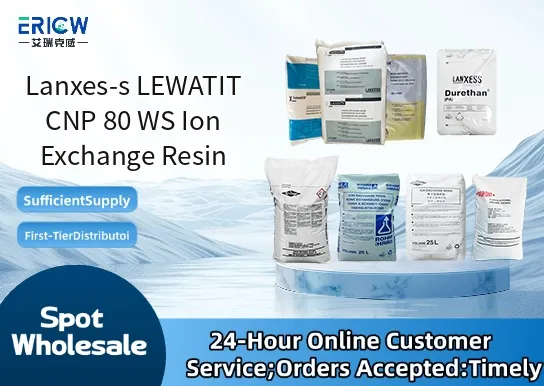
Highly selective for nitrate (NO₃⁻) removal, even in the presence of competing anions such as sulfate and chloride.
Functionalized with type I strong base quaternary ammonium groups for stable performance across a wide pH range (0–14).
Optimized bead structure ensures low pressure drop and excellent hydraulic stability during continuous operation.
Regenerable with common brine solutions (e.g., NaCl), enabling cost-effective long-term use.
Complies with global potable water standards including NSF/ANSI 61 and EU Drinking Water Directive requirements.
Drinking water treatment for targeted nitrate reduction in municipal and decentralized systems.
Groundwater remediation where agricultural runoff causes elevated nitrate contamination.
Pre-treatment for reverse osmosis and electrodialysis units to protect membranes from nitrate fouling.
Pharmaceutical process water polishing requiring ultra-low nitrate levels.
Food & beverage production water conditioning, especially for infant formula and sensitive product lines.
| Chemical Type | Type I Strong Base Anion Exchange Resin |
| Product Form | Moist, spherical beads |
| Appearance | Beige to light brown, uniform spherical particles |
| Primary Applications | Nitrate-selective removal from drinking water and process streams |
| Key Features | Nitrate selectivity, high chemical stability, regenerable with NaCl |
| Functional Group | Quaternary ammonium (–N⁺(CH₃)₃) |
| pH Stability Range | 0 – 14 |
| Maximum Operating Temperature | 50 °C (122 °F) |
Q1: What is the primary functional group and ionic form of LEWATIT CNP 80 WS?
A: LEWATIT CNP 80 WS is a strongly acidic cation exchange resin in the sodium form, featuring sulfonic acid functional groups bound to a styrene-divinylbenzene copolymer matrix.
Q2: Is this resin suitable for use in potable water treatment applications?
A: Yes — LEWATIT CNP 80 WS is specifically designed and certified for drinking water applications in accordance with relevant national and international guidelines for materials in contact with water intended for human consumption.
Q3: How does LEWATIT CNP 80 WS differ from standard gel-type cation resins in terms of physical structure?
A: Unlike conventional gel-type resins, CNP 80 WS features a macroporous structure that provides enhanced mechanical stability, improved resistance to fouling, and consistent performance across varying water qualities and temperatures.
Q4: What regeneration chemicals are recommended for this resin?
A: Sodium chloride (NaCl) brine is the standard regenerant; alternative regenerants such as hydrochloric acid (HCl) or sulfuric acid (H₂SO₄) may be used depending on the target ion removal and system design requirements.
Contact With Us:
E-mail: wangxingqiang@ericwchem.com
Have a Questions? Call Us:
Add:
Building A1, Jiete Industrial Park, Huangpu District, Guangzhou City, Guangdong Province, China