English
 Español
 tiếng việt
 русский
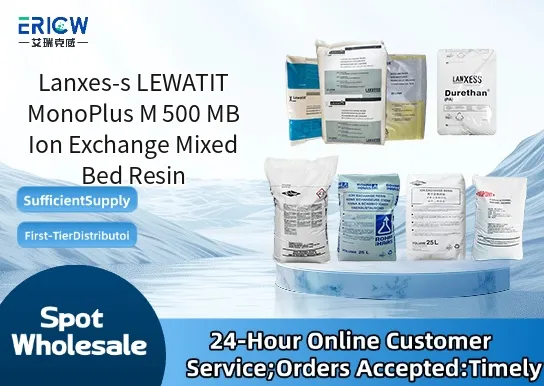
Highly uniform spherical beads ensure consistent hydraulic performance and low pressure drop across the bed.
Precisely balanced cationic (strong acid) and anionic (strong base) exchange resins in a single mixed bed matrix.
Optimized for ultrapure water production with exceptional silica and boron removal capability.
Low total organic carbon (TOC) leaching meets stringent pharmaceutical and microelectronics water standards.
Enhanced chemical and thermal stability enables reliable operation over extended service cycles.
Final polishing stage in ultrapure water (UPW) systems for semiconductor manufacturing.
Pharmaceutical-grade purified water (PW) and water for injection (WFI) production.
Power plant boiler feedwater polishing to prevent corrosion and scaling.
Laboratory-grade reagent water systems requiring resistivity >18.2 MΩ·cm.
Critical process water loops in biotechnology and cell therapy facilities.
| Chemical Type | Strong acid cation / strong base anion mixed bed resin |
| Product Form | Uniform spherical beads, pre-mixed and ready-to-use |
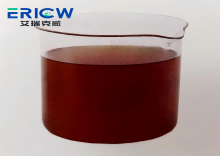
| Appearance | Opaque off-white cation resin and translucent amber anion resin blend |
| Primary Applications | Ultrapure water polishing, pharmaceutical water systems, power generation |
| Key Features | Low TOC release, high regeneration efficiency, excellent physical stability |
| Operating Temperature Range | 5–40 °C (41–104 °F) |
| pH Stability Range | 0–14 (short-term exposure during regeneration) |
| Maximum Service Flow Rate | 30–60 m/h (depending on system design and water quality) |
Q1: What is the primary application of Lanxes-s LEWATIT MonoPlus M 500 MB?
A: This mixed bed ion exchange resin is specifically engineered for final polishing in high-purity water production systems, including pharmaceutical-grade water (PW, WFI), microelectronics ultrapure water (UPW), and laboratory-grade deionized water where extremely low conductivity and minimal ionic contamination are critical.
Q2: How does Lanxes-s LEWATIT MonoPlus M 500 MB differ from conventional mixed bed resins?
A: It features a precisely balanced ratio of ultra-pure strong acid cation and strong base anion exchange resins in a single uniform bead, optimized for rapid equilibration and consistent performance. Its spherical morphology and narrow particle size distribution enhance hydraulic stability and reduce pressure drop compared to mechanically blended alternatives.
Q3: Can this resin be used in continuous electrodeionization (CEDI) systems?
A: No — Lanxes-s LEWATIT MonoPlus M 500 MB is designed exclusively for fixed-bed, batch-type or semi-continuous mixed bed polishing units. It is not suitable for CEDI modules, which require specialized ion-exchange membranes and electroactive resins capable of regeneration under direct current.
Q4: What regeneration protocol is recommended for this mixed bed resin?
A: Regeneration requires separate acid and caustic solutions applied in a controlled sequence with intermediate rinsing steps. Due to its pre-mixed nature, on-site regeneration is technically feasible but demands precise control of flow rates, chemical concentrations, and backwash conditions to maintain resin integrity and stoichiometric balance.
Contact With Us:
E-mail: wangxingqiang@ericwchem.com
Have a Questions? Call Us:
Add:
Building A1, Jiete Industrial Park, Huangpu District, Guangzhou City, Guangdong Province, China