English
 Español
 tiếng việt
 русский
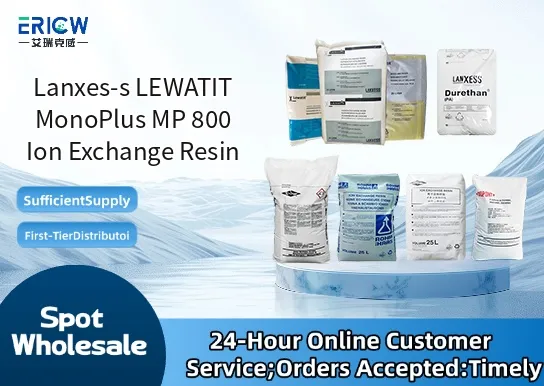
Highly uniform spherical beads ensuring consistent hydraulic performance and low pressure drop.
Superior chemical stability in acidic, alkaline, and oxidative environments for extended service life.
Optimized for high selectivity and fast kinetics in softening and demineralization applications.
Low osmotic swelling behavior enabling reliable operation across wide pH and temperature ranges.
Manufactured to strict ISO 9001-certified quality standards with full traceability and batch documentation.
Industrial boiler feedwater pretreatment for high-purity steam generation.
Pharmaceutical-grade water (PW/WFI) polishing in purified water systems.
Food & beverage process water softening and dealkalization.
Electronics manufacturing ultrapure water (UPW) production stages.
Power plant condensate polishing and closed-loop cooling water treatment.
| Chemical Type | Strong acid cation exchange resin (sulfonated polystyrene-divinylbenzene) |
| Product Form | Moist, sodium-form beads |
| Appearance | Uniform amber spherical beads |
| Particle Size Range | 300–1200 µm (95% retained on 25 mesh, >95% passed 50 mesh) |
| Moisture Content | 47–53% (as shipped) |
| Functional Capacity (Na⁺ form) | ≥ 2.0 eq/L (minimum, measured at 25°C) |
| pH Stability Range | 0–14 (short-term exposure up to pH 14; recommended operating range: pH 1–12) |
| Maximum Operating Temperature | 120°C (for short-term regeneration; continuous use ≤ 100°C) |
Q1: What is the primary functional group and ionic form of LEWATIT MonoPlus MP 800?
A: LEWATIT MonoPlus MP 800 is a strongly acidic cation exchange resin based on a styrene-divinylbenzene matrix, functionalized with sulfonic acid groups. It is supplied in the sodium (Na⁺) form, enabling efficient removal of hardness ions such as Ca²⁺ and Mg²⁺ in softening applications.
Q2: How does MP 800 differ from conventional gel-type cation resins in terms of physical structure and performance?
A: MP 800 features a uniform spherical particle morphology with a macroporous structure, offering enhanced kinetic performance, superior mechanical stability, and improved resistance to fouling compared to standard gel-type resins—particularly in feedwaters containing organic matter or suspended solids.
Q3: Is LEWATIT MonoPlus MP 800 suitable for use in pharmaceutical or food-grade water purification systems?
A: Yes—MP 800 is manufactured and tested to meet stringent quality requirements for use in high-purity water applications. It complies with relevant global regulatory expectations for ion exchange resins used in pharmaceutical water systems (e.g., USP <1231>, EP 2.2.42) and food-contact water treatment, subject to proper validation and regeneration protocols.
Q4: What regeneration chemicals and typical conditions are recommended for optimal service life?
A: Sodium chloride (NaCl) brine is the standard regenerant for softening service. Regeneration efficiency is optimized using controlled flow rates, appropriate brine concentration (typically 8–12% w/w), and sufficient contact time. For extended cycle life, maintaining consistent backwash and avoiding rapid pressure or temperature fluctuations is advised.
Contact With Us:
E-mail: wangxingqiang@ericwchem.com
Have a Questions? Call Us:
Add:
Building A1, Jiete Industrial Park, Huangpu District, Guangzhou City, Guangdong Province, China