English
 Español
 tiếng việt
 русский
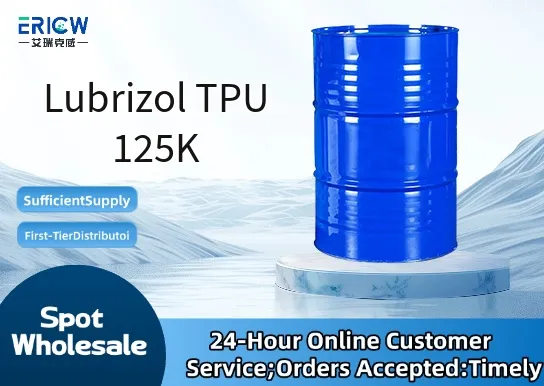
Excellent melt processability for extrusion, injection molding, and blow molding
Outstanding abrasion resistance and mechanical toughness
Good low-temperature flexibility down to –40 °C
High transparency and excellent clarity retention
Compatible with common plasticizers and polymeric additives
Medical tubing and fluid delivery systems
High-performance automotive interior trim and seals
Wearable device components and smart textile coatings
Precision extruded profiles for industrial hoses
Soft-touch overmolding for consumer electronics housings
| Chemical Type | Thermoplastic Polyurethane (TPU), polyester-based |
| Product Form | Natural pellets |
| Appearance | Translucent, free-flowing granules |
| Primary Applications | Extrusion, injection molding, blow molding |
| Key Features | Melt-processable, abrasion-resistant, flexible at low temperatures |
| Benefits | Enables thin-wall processing, reduces part weight, supports regulatory-compliant medical grades |
| Density (g/cm³) | 1.18–1.22 |
| Melt Flow Index (230 °C/2.16 kg, g/10 min) | 10–14 |
Q1: What is Lubrizol TPU 125K and how does it differ from standard TPU resins?
A: Lubrizol TPU 125K is a high-performance thermoplastic polyurethane elastomer specifically engineered for demanding extrusion and injection molding applications. Unlike conventional TPUs, it offers enhanced melt stability, improved flow characteristics, and superior resistance to thermal degradation during processing—making it particularly suitable for thin-walled parts and complex geometries.
Q2: Is Lubrizol TPU 125K compatible with common polymer blends, such as PC, ABS, or PVC?
A: Yes, TPU 125K demonstrates good compatibility with several engineering thermoplastics—including polycarbonate (PC) and ABS—when used as a toughening modifier or impact enhancer. Compatibility with PVC requires careful evaluation of processing conditions and formulation balance, as performance depends on blend ratio, shear history, and stabilizer system.
Q3: What are the recommended drying conditions prior to processing?
A: To ensure optimal mechanical properties and surface quality, Lubrizol TPU 125K should be dried thoroughly before processing. A typical recommendation is 3–4 hours at 80–90 °C under dehumidified air or desiccant drying conditions. Resin moisture content should be maintained below 0.05% for best results.
Q4: Can Lubrizol TPU 125K be used in medical or food-contact applications?
A: Lubrizol TPU 125K is not pre-qualified for direct food-contact or implantable medical device use. While its base chemistry is suitable for certain biocompatible formulations, regulatory compliance must be established by the end-user through full material qualification—including extractables/leachables testing, cytotoxicity assessment, and adherence to applicable regional requirements.
Contact With Us:
E-mail: wangxingqiang@ericwchem.com
Have a Questions? Call Us:
Add:
Building A1, Jiete Industrial Park, Huangpu District, Guangzhou City, Guangdong Province, China