English
 Español
 tiếng việt
 русский
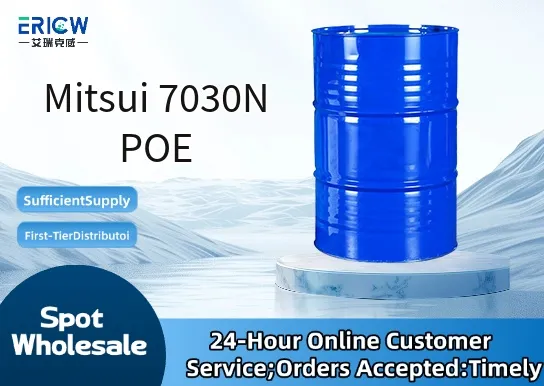
Highly stable polyolefin elastomer based on metallocene-catalyzed ethylene-octene copolymerization.
Excellent melt processability with low viscosity and narrow molecular weight distribution.
Superior elasticity and recovery performance at ambient and elevated temperatures.
Outstanding compatibility with polypropylene (PP) and polyethylene (PE) for thermoplastic elastomer blends.
Good resistance to thermal oxidation and UV exposure when compounded with appropriate stabilizers.
Soft-touch overmolding for automotive interior components (e.g., instrument panels, door trims).
Toughening modifier for polypropylene in structural automotive parts and under-hood applications.
Flexible, impact-resistant packaging films requiring clarity and seal integrity.
Sealants and gasket compounds for building & construction joint systems.
Medical-grade tubing and soft components where extractables and biocompatibility are critical (when compounded to meet ISO 10993 requirements).
| Chemical Type | Metallocene-catalyzed ethylene-octene copolymer |
| Product Form | Pellets |
| Appearance | Off-white to light beige granules |
| Density (g/cm³) | 0.875–0.885 |
| Melt Flow Rate (190°C/2.16 kg, g/10 min) | 3.0–4.5 |
| Hardness (Shore A) | 30–35 |
| Ultimate Elongation (% at break) | ≥700 |
| Key Features | Low compression set, high resilience, excellent flex fatigue resistance |
Q1: What is Mitsui 7030N POE and how does it differ from conventional plasticizers?
A: Mitsui 7030N POE is a polyolester-based non-phthalate plasticizer designed for high-performance polymer systems requiring excellent low-temperature flexibility, hydrolytic stability, and compatibility with polar resins such as PVC, TPU, and certain thermoplastic elastomers. Unlike traditional phthalates or short-chain esters, it offers improved migration resistance and thermal durability due to its higher molecular weight and branched aliphatic structure.
Q2: Is Mitsui 7030N POE suitable for use in food-contact or medical-grade applications?
A: Mitsui 7030N POE is formulated to meet stringent purity and stability requirements, and has been successfully evaluated in select food-contact and medical device formulations where regulatory compliance is supported by end-product testing and risk assessment. However, final regulatory acceptance depends on the complete formulation, processing conditions, and applicable jurisdictional requirements — users must conduct their own verification per intended application.
Q3: How does Mitsui 7030N POE perform under elevated temperature and humidity conditions?
A: Due to its polyolester backbone and absence of hydrolyzable ester linkages common in di-ester plasticizers, Mitsui 7030N POE demonstrates superior resistance to hydrolysis and thermal degradation. It maintains plasticizing efficiency and compound integrity over extended periods at elevated temperatures and in humid environments, making it well-suited for outdoor, automotive, and industrial applications.
Q4: Can Mitsui 7030N POE be blended with other plasticizers or additives?
A: Yes, Mitsui 7030N POE exhibits good compatibility with a range of secondary plasticizers (e.g., epoxidized soybean oil, citrates) and stabilizers, allowing formulators to tailor performance attributes such as initial softness, long-term retention, and UV resistance. Compatibility should be confirmed experimentally for each specific system, especially when used with highly polar or reactive additives.
Contact With Us:
E-mail: wangxingqiang@ericwchem.com
Have a Questions? Call Us:
Add:
Building A1, Jiete Industrial Park, Huangpu District, Guangzhou City, Guangdong Province, China