English
 Español
 tiếng việt
 русский
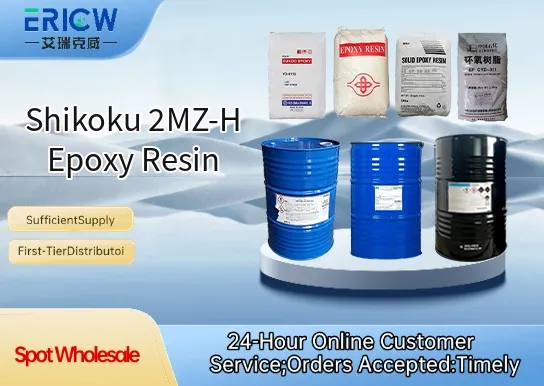
High thermal stability with extended latency for precise processing control.
Excellent compatibility with standard epoxy curing agents and modifiers.
Low viscosity enabling easy handling, mixing, and impregnation in composite manufacturing.
Superior electrical insulation properties suitable for high-reliability electronic encapsulation.
Consistent batch-to-batch performance meeting stringent quality assurance standards.
Electronics encapsulation for power modules and IGBTs.
High-voltage insulators and bushings in energy transmission systems.
Structural adhesives for aerospace and automotive composites.
Prepreg and filament winding resins for advanced carbon fiber laminates.
Encapsulants for LED packaging requiring thermal and UV resistance.
| Chemical Type | Diglycidyl ether of bisphenol-F (DGEBF) based epoxy resin |
| Product Form | Clear to pale yellow liquid |
| Appearance | Homogeneous, transparent liquid without sediment |
| Epoxy Equivalent Weight (EEW) | 165–175 g/eq |
| Viscosity at 25°C | 10,000–14,000 mPa·s |
| Chloride Content | ≤ 500 ppm |
| Volatility (Loss on Heating at 150°C, 2 h) | ≤ 0.5 wt% |
| Storage Stability | ≥ 12 months at 25°C in sealed container |
Q1: What is the primary function of Shikoku 2MZ-H in epoxy formulations?
A: Shikoku 2MZ-H is a latent imidazole-type curing agent designed to provide controlled reactivity and extended pot life at ambient temperature, while enabling rapid and efficient crosslinking upon thermal activation—commonly used to enhance cure kinetics and final network density in high-performance epoxy systems.
Q2: Is 2MZ-H suitable for one-component (1K) epoxy adhesives and coatings?
A: Yes—its latent nature makes it especially well-suited for 1K epoxy formulations where storage stability and shelf life are critical; it remains non-reactive during mixing and ambient handling, then initiates curing reliably at elevated temperatures typically above 120 °C.
Q3: How does 2MZ-H compare to other imidazole catalysts in terms of thermal latency and cure speed?
A: Compared to standard imidazoles, 2MZ-H offers improved thermal latency due to its sterically hindered structure, resulting in greater formulation stability at room temperature; upon heating, it delivers faster and more consistent cure onset and progression, particularly in thick-section or thermally mass-sensitive applications.
Q4: Can 2MZ-H be used in combination with other hardeners or accelerators?
A: Yes—it is often blended with aromatic amines, anhydrides, or phenolic resins to fine-tune cure profiles, glass transition temperature (Tg), and mechanical performance; compatibility testing is recommended to ensure optimal dispersion and avoid premature activation.
Contact With Us:
E-mail: wangxingqiang@ericwchem.com
Have a Questions? Call Us:
Add:
Building A1, Jiete Industrial Park, Huangpu District, Guangzhou City, Guangdong Province, China