English
 Español
 tiếng việt
 русский
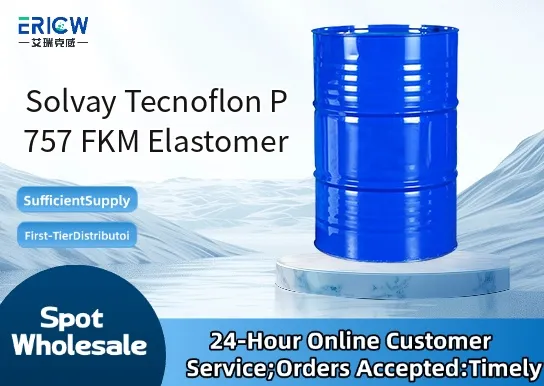
High fluorine content (~68–70 wt%) for exceptional resistance to aggressive fuels, oils, and chemicals.
Optimized low-temperature flexibility with a glass transition temperature (Tg) of approximately –14 °C.
Excellent compression set resistance, maintaining sealing integrity under prolonged thermal and mechanical stress.
Good processability in standard rubber compounding and molding equipment, including injection and compression molding.
Outstanding resistance to modern biofuels (e.g., E85, biodiesel blends) and high-temperature engine fluids.
Fuel system seals and gaskets for automotive and aerospace engines.
Dynamic O-rings and valve stem seals in high-pressure hydraulic and fuel injection systems.
Under-hood components exposed to hot oil, coolant, and exhaust gas recirculation (EGR) environments.
Sealing solutions for industrial pumps and compressors handling aggressive solvents and process chemicals.
Oil and gas downhole elastomeric parts requiring resistance to sour service (H₂S/CO₂) and high-temperature hydrocarbons.
| Chemical Type | Fluoroelastomer (FKM), vinylidene fluoride (VDF)/hexafluoropropylene (HFP)/tetrafluoroethylene (TFE) terpolymer |
| Product Form | Uncured gum stock in bale form |
| Appearance | Light tan to pale amber, homogeneous sheet or slab |
| Primary Applications | Static and dynamic sealing in demanding automotive, aerospace, and industrial fluid systems |
| Key Features | High fluorine content, low-temperature flexibility, low compression set, excellent chemical resistance |
| Benefits | Extended service life in harsh thermal and chemical environments; reduced maintenance and leakage risk |
| Processing Guidance | Compatible with conventional rubber processing equipment; requires peroxide or bisphenol curing systems |
| Standard Compliance | Meets ASTM D2000 / ISO 1629 classification: FKM, Grade 2, Class 2 |
Q1: What distinguishes Tecnoflon P 757 from other FKM elastomers in terms of processing and final part performance?
A: Tecnoflon P 757 is a peroxide-curable, low-viscosity FKM grade designed for excellent processability in high-precision molding—especially for thin-walled or complex geometries. It offers balanced resistance to heat, aggressive chemicals, and compression set, while maintaining good green strength and scorch safety during extrusion or injection molding.
Q2: Is Tecnoflon P 757 suitable for applications requiring resistance to low-temperature flexibility?
A: While Tecnoflon P 757 delivers strong high-temperature and chemical resistance typical of standard FKM polymers, its low-temperature performance is moderate—not optimized for cryogenic service. For extended low-temperature functionality (e.g., below –15 °C), specialty FKM grades with enhanced fluorine content or terpolymer structures are generally recommended.
Q3: Can Tecnoflon P 757 be compounded with common fillers and processing aids without compromising its key performance attributes?
A: Yes—Tecnoflon P 757 is compatible with standard FKM compounding ingredients including carbon black, calcium carbonate, and silica, as well as conventional curatives and plasticizers. However, filler selection and loading levels should be carefully evaluated to maintain optimal fluid resistance and mechanical integrity, particularly in dynamic sealing applications.
Q4: How does the peroxide cure system of Tecnoflon P 757 impact its suitability for food-contact or pharmaceutical applications?
A: Peroxide-cured FKM compounds—including those based on Tecnoflon P 757—can meet relevant regulatory expectations for indirect food contact and pharmaceutical use when formulated with FDA-compliant co-agents and processing aids, and subjected to appropriate post-cure treatment. Final compliance depends on the full formulation and end-use conditions, and requires validation by the compounder or end user.
Contact With Us:
E-mail: wangxingqiang@ericwchem.com
Have a Questions? Call Us:
Add:
Building A1, Jiete Industrial Park, Huangpu District, Guangzhou City, Guangdong Province, China