English
 Español
 tiếng việt
 русский
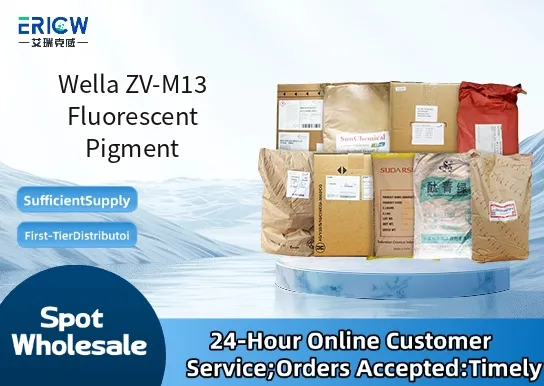
High-intensity fluorescence under UV-A (365 nm) and visible blue light excitation.
Excellent thermal stability up to 220 °C, suitable for high-temperature processing.
Good compatibility with acrylic, polyester, and polyurethane resin systems.
Low migration tendency in polymer matrices, ensuring long-term color fidelity.
Non-hazardous formulation compliant with REACH Annex XIV exclusion criteria.
Security printing inks for banknotes, certificates, and ID documents.
Fluorescent masterbatches for PET and PP packaging films.
UV-curable coatings for signage, display panels, and decorative laminates.
Specialty textile inks for high-visibility workwear and safety apparel.
Engineering plastic coloration for automotive interior trim and electronics housings.
| Chemical Type | Organic fluorescent dye derivative |
| Product Form | Free-flowing fine powder |
| Appearance | Bright yellow-green solid with characteristic fluorescence |
| Primary Applications | Polymer coloration, ink systems, coating formulations |
| Key Features | UV-stable, non-bleeding, low VOC impact |
| Benefits | Enhanced detectability, consistent batch-to-batch performance, easy dispersion |
| Storage Conditions | Store in cool, dry place below 30 °C; protect from direct sunlight |
| Regulatory Status | REACH registered; RoHS compliant; no SVHCs above threshold |
Q1: What types of polymer systems is Wella ZV-M13 compatible with?
A: Wella ZV-M13 is formulated for compatibility with a broad range of thermoplastic and thermoset resins, including polyethylene (PE), polypropylene (PP), polystyrene (PS), ABS, and certain engineering plastics. Performance may vary depending on processing temperature and resin polarity, so compatibility testing under end-use conditions is recommended.
Q2: How does Wella ZV-M13 perform under UV exposure and thermal processing?
A: This pigment exhibits good photostability under standard indoor UV exposure and maintains fluorescence intensity during typical melt-processing conditions up to approximately 220°C. Prolonged exposure to intense outdoor UV or extended residence times at elevated temperatures may gradually reduce brightness, so application-specific stability validation is advised.
Q3: Is Wella ZV-M13 suitable for applications requiring regulatory compliance in consumer goods?
A: Wella ZV-M13 is designed for non-food-contact industrial and decorative applications, such as signage, packaging highlights, and specialty coatings. It is not intended for direct food contact, toys, or cosmetics unless explicitly validated by the formulator against applicable regional requirements.
Q4: What is the typical dosage range for achieving strong fluorescent effects?
A: Effective fluorescence is typically achieved at low concentrations—generally ranging from 0.1% to 2% by weight, depending on the base polymer’s opacity, thickness, and desired intensity. Optimal dosage should be determined empirically through small-batch trials to balance cost, dispersion quality, and visual impact.
Contact With Us:
E-mail: wangxingqiang@ericwchem.com
Have a Questions? Call Us:
Add:
Building A1, Jiete Industrial Park, Huangpu District, Guangzhou City, Guangdong Province, China