English
 Español
 tiếng việt
 русский
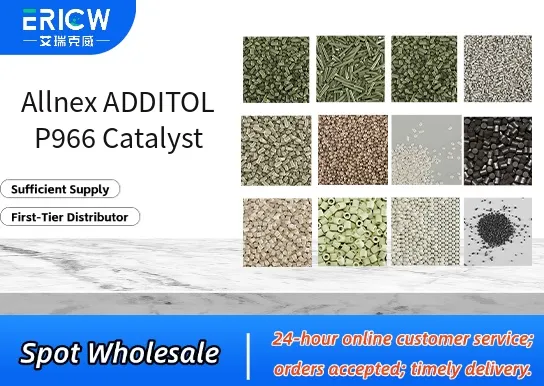
Highly efficient cobalt-free catalyst for ambient-cure and low-bake alkyd and polyester systems.
Excellent storage stability with minimal risk of premature gelation or viscosity drift.
Improved through-dry performance and enhanced surface hardness development in air-drying coatings.
Low odor and reduced VOC contribution compared to traditional metal-based driers.
Compatible with a broad range of resins, solvents, and co-catalysts including zirconium and calcium driers.
Architectural and industrial maintenance coatings requiring fast tack-free time and good early hardness.
Wood finishes for furniture and cabinetry where low yellowing and high clarity are critical.
General-purpose air-drying alkyd enamels for metal and wood substrates.
Marine and protective coatings formulated for corrosion resistance and outdoor durability.
| Chemical Type | Organometallic complex (manganese-based) |
| Product Form | Liquid |
| Appearance | Clear, reddish-brown solution |
| Solvent Base | Aromatic hydrocarbon blend |
| Primary Applications | Air-drying alkyd, polyester, and modified resin coatings |
| Key Features | Cobalt-free, low-odor, ambient-cure accelerator |
| Benefits | Reduced regulatory risk, improved worker safety, consistent film formation |
Q1: What is the primary function of ADDITOL P966 in coating formulations?
A: ADDITOL P966 is a highly efficient tin-free catalyst designed to accelerate the crosslinking reaction between hydroxyl-functional resins and melamine or polyisocyanate curing agents, particularly in ambient- or low-bake thermosetting systems.
Q2: Is ADDITOL P966 compatible with waterborne systems?
A: Yes, ADDITOL P966 exhibits good compatibility with many waterborne acrylic, polyester, and hybrid resin systems. It is formulated to minimize hydrolysis sensitivity and supports stable performance in both solventborne and water-reducible coatings.
Q3: How should ADDITOL P966 be dosed in a typical formulation?
A: Dosage depends on formulation requirements, cure schedule, and desired pot life. It is typically used at low concentrations—generally ranging from 0.1% to 2% by weight relative to total non-volatile content—and should be added during the let-down stage under controlled conditions.
Q4: Does ADDITOL P966 affect film hardness development or storage stability?
A: When properly incorporated, ADDITOL P966 promotes rapid through-cure and enhances early hardness build without significantly compromising pot life. Its balanced reactivity helps maintain acceptable storage stability in catalyzed two-component or ambient-cure systems when formulated within recommended guidelines.
Contact With Us:
E-mail: wangxingqiang@ericwchem.com
Have a Questions? Call Us:
Add:
Building A1, Jiete Industrial Park, Huangpu District, Guangzhou City, Guangdong Province, China