English
 Español
 tiếng việt
 русский
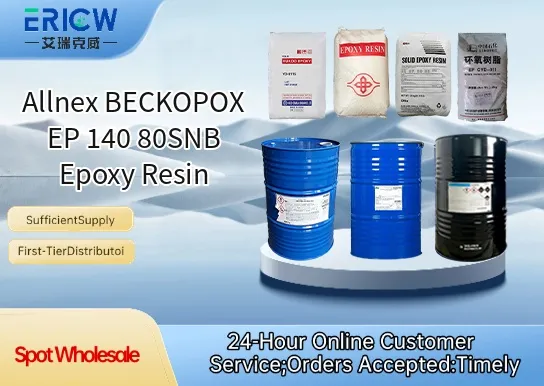
High-purity bisphenol-A based liquid epoxy resin with low chloride content.
Optimized molecular weight distribution for excellent flow and leveling in coating formulations.
Superior compatibility with common amine and anhydride curing agents.
Consistent reactivity profile enabling reliable processing in industrial coil and can coating lines.
Stable viscosity over extended storage, supporting long shelf life under recommended conditions.
Interior food-can coatings requiring FDA-compliant performance.
General-purpose industrial maintenance coatings for metal substrates.
Coil coating primers for pre-painted steel and aluminum sheets.
Electrical laminates and insulating varnishes in low-voltage applications.
Adhesive systems requiring high adhesion to metals and thermal stability.
| Chemical Type | Bisphenol-A epoxy resin |
| Product Form | Liquid |
| Appearance | Pale yellow to amber transparent liquid |
| Epoxy Equivalent Weight (EEW) | 185–195 g/eq |
| Viscosity at 25°C | 12,000–16,000 mPa·s |
| Chlorine Content | ≤ 700 ppm |
| Softening Point | Not applicable (liquid at room temperature) |
| Primary Applications | Can coatings, coil coatings, industrial maintenance coatings |
Q1: What is the primary function of BECKOPOX EP 140 80SNB in epoxy formulations?
A: BECKOPOX EP 140 80SNB is a liquid bisphenol-A based epoxy resin designed primarily as a reactive diluent and viscosity modifier. It helps reduce formulation viscosity without significantly compromising crosslink density or final film performance, making it especially useful in high-solids and low-VOC coatings systems.
Q2: Is BECKOPOX EP 140 80SNB compatible with standard amine-based hardeners?
A: Yes, it exhibits good reactivity with common aliphatic and cycloaliphatic amines, as well as polyamide and amidoamine curing agents. Its functionality and epoxide equivalent weight support balanced cure kinetics and mechanical property development in ambient- and elevated-temperature cure systems.
Q3: How does BECKOPOX EP 140 80SNB compare to traditional glycidyl ether reactive diluents in terms of volatility and handling?
A: Unlike many low-molecular-weight glycidyl ethers, BECKOPOX EP 140 80SNB has very low volatility and negligible vapor pressure at ambient conditions, contributing to improved workplace safety and reduced odor. It also offers better compatibility with epoxy resins and lower skin sensitization potential compared to some mono-functional diluents.
Q4: Can this resin be used in food-contact coating applications?
A: BECKOPOX EP 140 80SNB is not pre-approved for direct food-contact use. Formulators intending such applications must conduct full regulatory evaluation—including migration testing and compliance verification—based on applicable regional requirements and intended end-use conditions.
Contact With Us:
E-mail: wangxingqiang@ericwchem.com
Have a Questions? Call Us:
Add:
Building A1, Jiete Industrial Park, Huangpu District, Guangzhou City, Guangdong Province, China