English
 Español
 tiếng việt
 русский
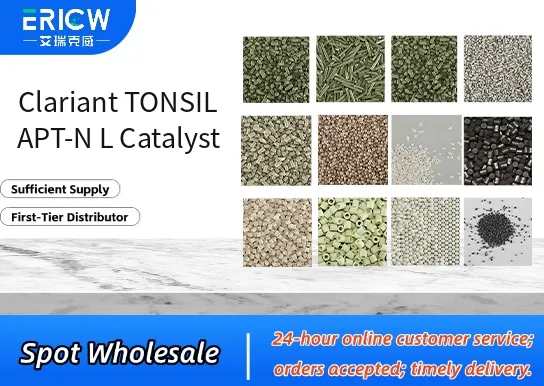
Highly selective acid catalyst optimized for low-temperature esterification and transesterification reactions.
Non-corrosive solid acid alternative to traditional liquid mineral acids, enhancing process safety and equipment longevity.
Excellent thermal stability up to 200 °C, enabling robust performance in continuous and batch reactor systems.
Regenerable and reusable under controlled conditions, supporting sustainable manufacturing and reduced waste generation.
Low leaching behavior in polar reaction media, ensuring consistent catalytic activity and simplified downstream separation.
Biodiesel production via transesterification of vegetable oils and used cooking oils.
Synthesis of biodegradable lubricants and specialty esters for personal care formulations.
Production of plasticizer precursors such as diethylhexyl phthalate (DEHP) alternatives.
Catalytic refining of bio-based fatty acids and methyl esters in fine chemical intermediates.
Continuous-flow esterification processes for fragrance and flavor ester manufacturing.
| Chemical Type | Modified silica-alumina solid acid catalyst |
| Product Form | Free-flowing granular solid |
| Appearance | Light grey to beige granules |
| Primary Applications | Esterification, transesterification, acylation |
| Key Features | Non-corrosive, heterogeneous, thermally stable |
| Benefits | Reduced neutralization waste, simplified catalyst recovery, lower OPEX |
| Storage Conditions | Store in dry, well-ventilated area; protect from moisture |
| Handling Precautions | Use appropriate PPE; avoid inhalation of dust |
Q1: What is the primary function of TONSIL APT-N L in polymer processing?
A: TONSIL APT-N L is a highly active, low-dust, acid-activated bentonite-based catalyst designed to promote crosslinking and enhance thermal stability in silicone rubber formulations, particularly during high-temperature vulcanization.
Q2: Is TONSIL APT-N L compatible with platinum-cure (addition-cure) silicone systems?
A: No — TONSIL APT-N L is specifically formulated for use in peroxide-cure (free-radical) silicone elastomers. It is not recommended for platinum-cure systems, where it may interfere with catalytic activity or cause premature inhibition.
Q3: How should TONSIL APT-N L be incorporated into a silicone compound?
A: It is typically added during the masterbatch stage using standard high-shear mixing equipment. Pre-drying is not required, but good dispersion is essential to ensure uniform catalytic performance and avoid localized over-cure.
Q4: Does TONSIL APT-N L affect the final mechanical properties of cured silicone parts?
A: When properly dispersed and dosed, it supports improved tensile strength and compression set resistance without compromising elongation — effects that are formulation-dependent and optimized through standard cure profiling.
Q5: What storage conditions are recommended for long-term stability?
A: Store in original sealed packaging at ambient temperature and low humidity. Avoid prolonged exposure to moisture or direct sunlight to preserve catalytic activity and flow characteristics.
Contact With Us:
E-mail: wangxingqiang@ericwchem.com
Have a Questions? Call Us:
Add:
Building A1, Jiete Industrial Park, Huangpu District, Guangzhou City, Guangdong Province, China