English
 Español
 tiếng việt
 русский
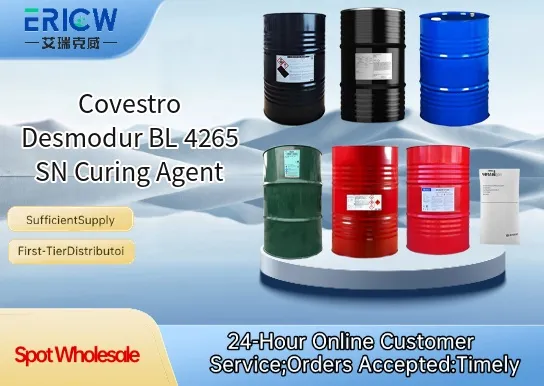
Aliphatic polyisocyanate-based curing agent offering excellent UV stability and color retention.
Low-viscosity liquid formulation enabling easy handling, metering, and mixing with polyol components.
Provides fast ambient-cure kinetics without requiring elevated temperatures or catalysts.
Delivers superior mechanical properties including high hardness, abrasion resistance, and chemical resistance.
Compliant with REACH and meets stringent VOC emission requirements for industrial coatings.
High-performance clearcoats for automotive OEM and refinish applications.
Durable topcoats for plastic substrates including bumpers, trim, and interior components.
Industrial maintenance coatings for metal and composite surfaces exposed to outdoor conditions.
UV-stable protective coatings for architectural aluminum profiles and façade elements.
| Chemical Type | Aliphatic polyisocyanate (hexamethylene diisocyanate trimer) |
| Product Form | Liquid |
| Appearance | Clear, pale yellow to colorless liquid |
| NCO Content (wt %) | 15.0 – 16.0 |
| Viscosity at 25 °C (mPa·s) | 800 – 1200 |
| Density at 20 °C (g/cm³) | 1.18 – 1.22 |
| Primary Applications | Two-component polyurethane coatings for high-durability finishes |
| Key Features | UV resistance, low VOC, ambient cure capability, excellent compatibility with acrylic and polyester polyols |
Q1: What is the primary chemical nature of Desmodur BL 4265 SN?
A: Desmodur BL 4265 SN is a low-viscosity, aliphatic polyisocyanate based on hexamethylene diisocyanate (HDI) trimer chemistry, modified to provide enhanced storage stability and controlled reactivity in two-component polyurethane systems.
Q2: Which types of resins does it typically cure with?
A: It is primarily formulated with hydroxyl-functional acrylics, polyesters, or alkyds in high-performance coatings applications—especially where UV stability, gloss retention, and chemical resistance are critical, such as automotive clearcoats and industrial topcoats.
Q3: How should Desmodur BL 4265 SN be stored to maintain optimal performance?
A: Store in tightly sealed original containers under dry, cool conditions (below 30 °C), protected from moisture, heat, and direct sunlight. Prolonged exposure to humidity or elevated temperatures may lead to premature gelation or viscosity increase.
Q4: Is this curing agent suitable for ambient-cure applications?
A: Yes—it is designed for both ambient and forced-dry curing conditions, offering balanced pot life and film formation characteristics without requiring strong catalysts in most standard formulations.
Contact With Us:
E-mail: wangxingqiang@ericwchem.com
Have a Questions? Call Us:
Add:
Building A1, Jiete Industrial Park, Huangpu District, Guangzhou City, Guangdong Province, China