English
 Español
 tiếng việt
 русский
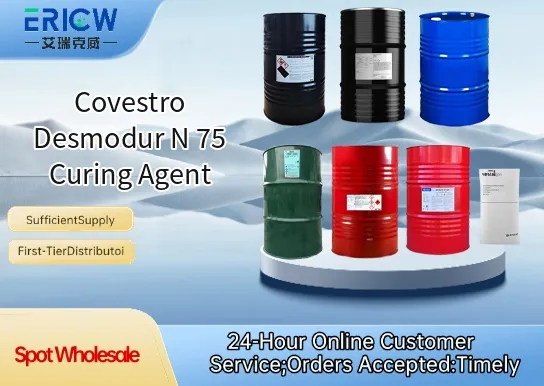
Aliphatic polyisocyanate-based curing agent offering excellent UV stability and color retention.
Low viscosity enables easy handling, precise metering, and compatibility with standard spray and mixing equipment.
Provides outstanding chemical resistance, including to solvents, cleaning agents, and mild acids.
Enables fast ambient-cure or accelerated heat-cure performance for high-throughput industrial finishing.
Non-yellowing formulation ideal for topcoats requiring long-term gloss and clarity retention.
Automotive clearcoats and OEM refinish coatings.
Industrial wood and plastic coatings for furniture and consumer electronics.
High-performance coil coatings for architectural and appliance substrates.
UV-resistant protective coatings for outdoor signage and transportation components.
Premium can and general metal packaging coatings requiring food-contact compliance support.
| Chemical Type | Aliphatic polyisocyanate (hexamethylene diisocyanate–based) |
| Product Form | Liquid |
| Appearance | Clear, pale yellow liquid |
| NCO Content (wt. %) | 13.5 – 14.5 |
| Viscosity (25 °C, mPa·s) | 800 – 1,200 |
| Density (20 °C, g/cm³) | 1.16 – 1.19 |
| Flash Point (PMCC, °C) | 125 – 135 |
| Solvent Content (wt. %) | ~35 (in xylene/butyl acetate blend) |
Q1: What is Desmodur N 75 and how does it function in polyurethane systems?
A: Desmodur N 75 is a bi-functional aliphatic polyisocyanate based on hexamethylene diisocyanate (HDI), supplied as a trimerized solution in HDI monomer. It serves as a crosslinking agent for hydroxyl-functional resins—such as acrylics, polyesters, or alkyds—in two-component polyurethane coatings, providing excellent weather resistance, gloss retention, and mechanical durability.
Q2: Is Desmodur N 75 suitable for low-VOC or high-solids coating formulations?
A: Yes—Desmodur N 75 is commonly used in medium-to-high solids solventborne systems due to its relatively low viscosity and favorable reactivity profile. Its formulation compatibility supports VOC reduction strategies when paired with appropriate resins and solvents, though final compliance depends on the full system composition and regulatory context.
Q3: How should Desmodur N 75 be stored and handled to maintain stability?
A: Store in tightly sealed containers under dry, cool conditions (preferably below 30 °C) and protect from moisture, heat, and direct sunlight. Prolonged exposure to humidity may cause gelation or viscosity increase due to reaction with ambient water. Always follow Covestro’s Safety Data Sheet (SDS) for safe handling, including use of appropriate PPE and ventilation.
Q4: Can Desmodur N 75 be used in flexible or elastomeric coating applications?
A: Yes—its aliphatic structure and controlled functionality support formulations requiring flexibility, impact resistance, and UV stability, such as protective topcoats for plastics, rubber substrates, or elastomeric membranes. Performance characteristics depend on the choice of hydroxyl-terminated resin and overall formulation balance.
Contact With Us:
E-mail: wangxingqiang@ericwchem.com
Have a Questions? Call Us:
Add:
Building A1, Jiete Industrial Park, Huangpu District, Guangzhou City, Guangdong Province, China