English
 Español
 tiếng việt
 русский
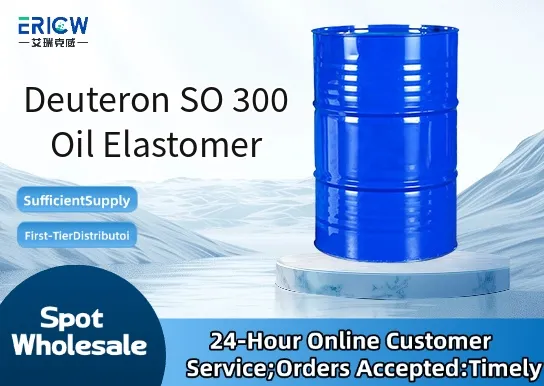
Highly compatible with SBR, BR, and natural rubber compounds.
Enhances filler dispersion and improves processability in high-viscosity elastomer systems.
Provides excellent plasticizing efficiency with low volatility and minimal migration.
Contributes to improved tensile strength and elongation retention after aging.
Free from polycyclic aromatic hydrocarbons (PAHs) compliant with EU REACH and FDA guidelines.
Tire tread and sidewall compounds for passenger and light truck tires.
Conveyor belts and industrial rubber goods requiring dynamic fatigue resistance.
Rubber hoses and automotive vibration-damping components.
Roller coverings and calendered sheet products for mining and material handling.
Seals and gaskets in demanding mechanical and environmental conditions.
| Chemical Type | Highly refined naphthenic process oil |
| Product Form | Liquid at room temperature |
| Appearance | Clear, light amber liquid |
| Flash Point (COC) | ≥ 240 °C |
| Dynamic Viscosity (100 °C) | 12.5–13.8 cSt |
| ASTM D2156 Carbon Residue | ≤ 0.10 wt% |
| PAH Content (8-PAHs) | < 3 mg/kg |
| Primary Applications | Elastomer plasticizer and processing aid |
Q1: What is the primary function of Deuteron SO 300 Oil Elastomer in polymer formulations?
A: Deuteron SO 300 Oil Elastomer functions as a reactive processing aid and elastomeric modifier, enhancing melt elasticity, improving extrudate swell control, and contributing to better dimensional stability in thermoplastic elastomer (TPE) and compounded polyolefin systems.
Q2: Is Deuteron SO 300 Oil Elastomer compatible with common thermoplastic matrices such as PP, PE, and TPOs?
A: Yes — it demonstrates good compatibility with polypropylene (PP), polyethylene (PE), and thermoplastic polyolefin (TPO) blends. Its oil-extended structure promotes homogeneous dispersion and interfacial adhesion during compounding, especially in dynamically vulcanized systems.
Q3: How does Deuteron SO 300 Oil Elastomer differ from conventional plasticizers or non-reactive oil extenders?
A: Unlike non-reactive plasticizers, Deuteron SO 300 Oil Elastomer contains functional groups that support mild covalent interaction with polymer chains during processing, reducing volatility and migration risk while maintaining long-term elastomeric performance in finished parts.
Q4: What are typical dosage ranges when using Deuteron SO 300 Oil Elastomer in TPE formulations?
A: Dosage is formulation-dependent, but it is typically used at low concentrations to achieve desired elasticity and processability — generally ranging from 0.1% to 2% by weight relative to the base polymer, with optimization guided by rheological and mechanical testing.
Q5: Can Deuteron SO 300 Oil Elastomer be used in applications requiring FDA compliance for indirect food contact?
A: While Deuteron SO 300 Oil Elastomer is formulated with components commonly accepted in food-contact polymers, formal regulatory clearance depends on final formulation, processing conditions, and end-use requirements. Customers should conduct full regulatory due diligence and consult applicable regional guidelines before claiming compliance.
Contact With Us:
E-mail: wangxingqiang@ericwchem.com
Have a Questions? Call Us:
Add:
Building A1, Jiete Industrial Park, Huangpu District, Guangzhou City, Guangdong Province, China