English
 Español
 tiếng việt
 русский
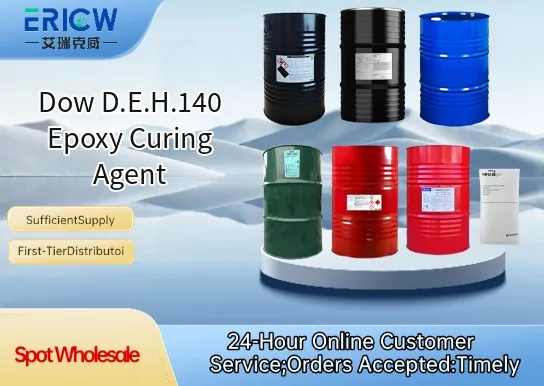
High reactivity with liquid epoxy resins, enabling rapid gelation and reduced cure cycle times.
Excellent adhesion to metals, composites, and concrete substrates under ambient or elevated temperature conditions.
Low viscosity formulation facilitates easy handling, mixing, and processing in automated dispensing systems.
Good chemical resistance post-cure, particularly against solvents, alkalis, and mild acids.
Non-corrosive to steel and aluminum, supporting long-term reliability in structural bonding applications.
Structural adhesives for automotive assembly, including chassis and powertrain bonding.
Electrical potting and encapsulation compounds for transformers, sensors, and control modules.
Industrial flooring and grouting systems requiring fast turnaround and high mechanical strength.
Composite repair kits for aerospace and wind energy blade maintenance.
Coating primers for corrosion protection on marine and offshore infrastructure.
| Chemical Type | Amine-based aliphatic curing agent |
| Product Form | Liquid |
| Appearance | Clear to pale yellow, low-viscosity liquid |
| Primary Applications | Structural adhesives, potting compounds, industrial coatings |
| Key Features | Fast ambient cure, low exotherm, good flexibility retention |
| Benefits | Reduced energy consumption, improved production throughput, enhanced durability |
| Storage Stability | 12 months at 25°C in original unopened container |
| Compatibility | Designed for use with standard bisphenol-A and bisphenol-F epoxy resins |
Q1: What is the primary chemical class of D.E.H.140?
A: D.E.H.140 is an aliphatic polyamine-based epoxy curing agent, designed to provide balanced reactivity, flexibility, and adhesion in ambient- or elevated-cure epoxy systems.
Q2: Is D.E.H.140 suitable for food-contact or potable water applications?
A: D.E.H.140 is not prequalified for direct food-contact or potable water applications under major global regulatory frameworks. Formulators must conduct full compliance testing—including extraction studies and regulatory review—based on final cured system composition and intended use conditions.
Q3: How does D.E.H.140 compare to aromatic amines in terms of yellowing and UV stability?
A: As an aliphatic amine, D.E.H.140 offers significantly improved resistance to yellowing and UV-induced discoloration compared to aromatic amine curing agents, making it preferred for applications where long-term color stability is critical.
Q4: What is the typical dosage range for D.E.H.140 in standard epoxy formulations?
A: Dosage depends on the specific epoxy resin, desired cure profile, and end-use requirements; however, D.E.H.140 is typically used at low concentrations—generally ranging from 0.1% to 2% by weight relative to the epoxy resin—and often functions as a co-curing agent rather than a primary hardener.
Q5: Does D.E.H.140 require heat curing, or can it fully cure at room temperature?
A: D.E.H.140 enables practical ambient-temperature cure of many epoxy resins, though full development of mechanical and chemical resistance properties may benefit from a mild post-cure step (e.g., 40–60 °C for several hours), depending on film thickness and formulation.
Contact With Us:
E-mail: wangxingqiang@ericwchem.com
Have a Questions? Call Us:
Add:
Building A1, Jiete Industrial Park, Huangpu District, Guangzhou City, Guangdong Province, China