English
 Español
 tiếng việt
 русский
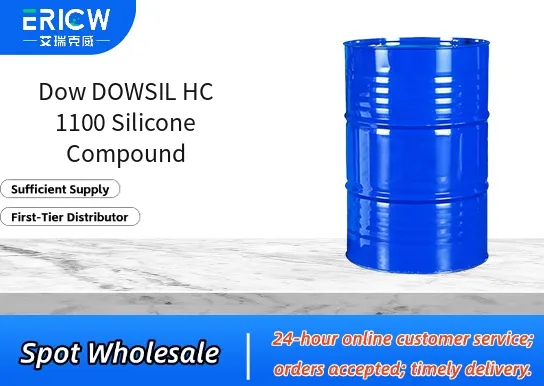
High thermal stability for continuous service up to 200 °C.
Excellent electrical insulation properties with low dielectric loss.
Good adhesion to metals, plastics, and cured silicone substrates without primer.
Low compression set and outstanding resilience after prolonged thermal aging.
UL 94 V-0 rated for flame retardancy in demanding electronic applications.
Thermal interface material (TIM) for power electronics and LED modules.
Dielectric encapsulation and potting of high-voltage transformers and inverters.
Gap-filling elastomer for battery module thermal management systems.
Sealing and bonding in automotive under-hood power control units (PCUs).
Protective coating for sensors and connectors exposed to extreme temperature cycling.
| Chemical Type | Heat-curable addition-cure silicone elastomer |
| Product Form | Paste (two-component, Part A + Part B) |
| Appearance | Off-white to light gray homogeneous paste |
| Primary Applications | Thermal management, electrical insulation, and structural bonding |
| Key Features | Flame retardant, low outgassing, non-corrosive cure chemistry |
| Benefits | Long-term reliability under thermal shock and humidity stress |
| Cure System | Pt-catalyzed hydrosilylation (inhibitor-modulated) |
| Storage Stability | 12 months at ≤25 °C (unopened, original packaging) |
Q1: What is the primary function of DOWSIL HC 1100 in polymer formulations?
A: DOWSIL HC 1100 is a high-consistency silicone compound designed primarily as a processing aid and surface modifier. It improves melt flow, reduces extrusion pressure, enhances surface gloss and smoothness, and helps mitigate die buildup in thermoplastic and thermoset systems.
Q2: Is DOWSIL HC 1100 compatible with common engineering plastics such as polypropylene, polyethylene, and ABS?
A: Yes, DOWSIL HC 1100 demonstrates broad compatibility with polyolefins (e.g., PP, PE), styrenics (e.g., ABS, PS), and many engineering thermoplastics. Compatibility should be verified under actual processing conditions, especially when used with polar polymers or in multi-component blends.
Q3: How is DOWSIL HC 1100 typically incorporated into a formulation?
A: It is commonly added directly during compounding—either via side-feeding or masterbatch dilution—and disperses readily under shear. Due to its high consistency, it is not intended for liquid-phase addition; pre-blending with carrier resin is recommended for optimal distribution.
Q4: Does DOWSIL HC 1100 affect the mechanical properties of the final polymer part?
A: At typical use levels, DOWSIL HC 1100 has minimal impact on tensile strength, impact resistance, or heat deflection temperature. Its main influence is on processability and surface characteristics, though over-addition may reduce interfacial adhesion in some reinforced systems.
Contact With Us:
E-mail: wangxingqiang@ericwchem.com
Have a Questions? Call Us:
Add:
Building A1, Jiete Industrial Park, Huangpu District, Guangzhou City, Guangdong Province, China