English
 Español
 tiếng việt
 русский
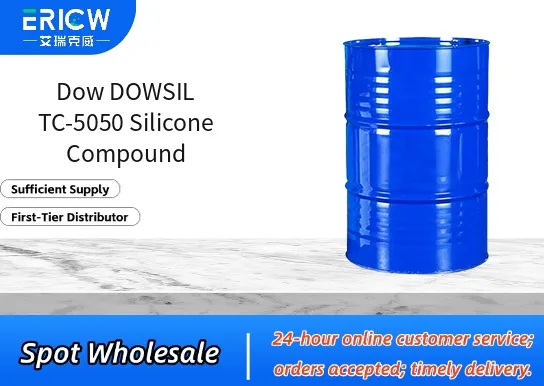
Thermally conductive silicone compound with high filler loading for efficient heat dissipation.
Low thermal resistance and excellent long-term stability under thermal cycling conditions.
Non-sag, paste-like consistency enabling precise dispensing and gap-filling without slumping.
Electrically insulating formulation suitable for high-voltage power electronics applications.
RoHS-compliant and halogen-free, supporting environmentally responsible manufacturing.
Thermal interface material (TIM) between IGBT modules and heat sinks in electric vehicle inverters.
Heat transfer medium for power converters and onboard chargers in renewable energy systems.
Thermal management solution for high-power LED drivers and solid-state lighting assemblies.
Gap filler in industrial motor drives requiring reliable thermal performance over extended service life.
Interface material for battery module cooling plates in energy storage systems.
| Chemical Type | Room Temperature Vulcanizing (RTV) silicone elastomer |
| Product Form | Paste, non-sag, thixotropic |
| Appearance | Off-white to light gray, homogeneous paste |
| Primary Applications | Thermal interface material (TIM), gap filler |
| Key Features | High thermal conductivity, electrical insulation, low stress relaxation |
| Benefits | Enhanced thermal reliability, simplified assembly, no pump-out during thermal cycling |
| Shelf Life | 12 months at 25 °C in unopened original packaging |
| Storage Conditions | Store below 30 °C; protect from moisture and direct sunlight |
Q1: What is the primary function of DOWSIL TC-5050 in polymer formulations?
A: DOWSIL TC-5050 is a silicone-based processing aid designed to improve melt flow, reduce extrusion pressure, and enhance surface finish in thermoplastic and thermoset polymer systems. It functions primarily as an internal lubricant and mold release agent during high-temperature compounding and molding processes.
Q2: Is DOWSIL TC-5050 compatible with engineering thermoplastics such as polyamide (PA), polypropylene (PP), and polycarbonate (PC)?
A: Yes, DOWSIL TC-5050 demonstrates broad compatibility with common engineering thermoplastics including PA, PP, PC, and ABS. It remains stable under typical processing temperatures and does not adversely affect mechanical properties or long-term thermal stability when used at recommended dosage levels.
Q3: How should DOWSIL TC-5050 be incorporated into a compound formulation?
A: It is typically added during the masterbatch or dry-blend stage prior to extrusion or injection molding. Due to its low volatility and thermal stability, it can be introduced directly into the feed throat or via side-stuffer, and generally ranges from 0.1% to 2% by weight depending on the base resin and desired performance outcome.
Q4: Does DOWSIL TC-5050 affect adhesion or paintability of finished parts?
A: At standard usage levels, DOWSIL TC-5050 does not significantly migrate to the surface or interfere with downstream secondary operations such as painting, printing, or bonding—provided proper dispersion and thermal history are maintained. However, excessive loading may increase surface silicone concentration and require evaluation for specific adhesion requirements.
Contact With Us:
E-mail: wangxingqiang@ericwchem.com
Have a Questions? Call Us:
Add:
Building A1, Jiete Industrial Park, Huangpu District, Guangzhou City, Guangdong Province, China