English
 Español
 tiếng việt
 русский
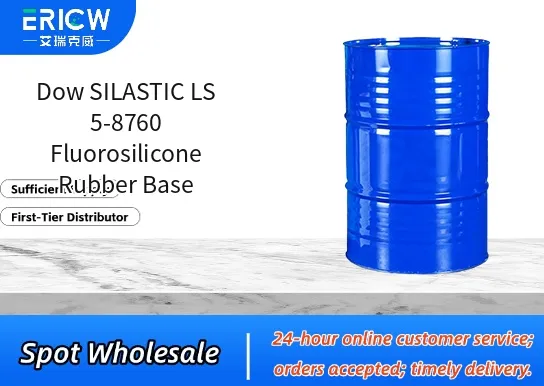
Exceptional resistance to fuels, lubricants, and aggressive hydrocarbon-based fluids across wide temperature ranges.
Outstanding low-temperature flexibility down to –60 °C, maintaining elastomeric performance in extreme cold environments.
Enhanced thermal stability with continuous service capability up to 200 °C.
Low compression set for reliable long-term sealing integrity under dynamic and static conditions.
Compatible with standard platinum-cure silicone processing equipment and techniques.
Aerospace fuel system seals and gaskets exposed to jet fuels and synthetic lubricants.
Automotive turbocharger hose couplings and sensor seals operating in high-heat, chemically aggressive under-hood environments.
Oil & gas downhole instrumentation seals requiring resistance to sour gas (H₂S), crude oil, and drilling fluids.
Industrial fluid handling components such as diaphragms, valve seats, and pump liners in chemical processing plants.
Medical device tubing and connectors where biocompatibility is not required but chemical inertness and sterilization resistance are critical.
| Chemical Type | Fluorosilicone elastomer (FVMQ) |
| Product Form | Two-part liquid silicone rubber (Part A + Part B) |
| Appearance | Translucent, viscous liquid (Part A); translucent, low-viscosity liquid (Part B) |
| Primary Applications | High-performance static and dynamic seals, gaskets, and molded components |
| Key Features | Fuel/oil resistance, low-temperature flexibility, thermal stability, low compression set |
| Cure System | Pt-catalyzed addition cure |
| Shelf Life (unopened, 25 °C) | 12 months from date of manufacture |
| Processing Method | Liquid injection molding (LIM), compression molding, or dispensing |
Q1: What is the primary functional advantage of Dow SILASTIC LS 5-8760 compared to standard silicone rubber bases?
A: Dow SILASTIC LS 5-8760 is a fluorosilicone rubber base offering significantly enhanced resistance to non-polar solvents, fuels, and hydrocarbon-based fluids—while retaining the broad temperature performance and compression set resistance typical of high-quality silicone elastomers.
Q2: How is LS 5-8760 typically processed in manufacturing?
A: This base is designed for high-shear mixing and is compatible with standard silicone rubber processing equipment—including two-roll mills, internal mixers, and extruders. It requires peroxide or platinum-cure systems for vulcanization, and cure conditions should be optimized based on part geometry and final performance requirements.
Q3: Is LS 5-8760 suitable for applications requiring exposure to aerospace-grade jet fuels or hydraulic fluids?
A: Yes—LS 5-8760 is specifically formulated to deliver improved compatibility with aviation fuels (e.g., Jet A, JP-8) and phosphate ester-based hydraulic fluids (e.g., Skydrol®), making it a preferred choice for seals, gaskets, and diaphragms in demanding aerospace environments.
Q4: Does LS 5-8760 require special handling or storage considerations?
A: Like other fluorosilicone compounds, LS 5-8760 should be stored in cool, dry conditions away from direct sunlight and sources of heat or ozone. Prolonged exposure to ambient humidity does not affect its stability, but best practice is to keep containers sealed when not in use to prevent contamination.
Contact With Us:
E-mail: wangxingqiang@ericwchem.com
Have a Questions? Call Us:
Add:
Building A1, Jiete Industrial Park, Huangpu District, Guangzhou City, Guangdong Province, China