English
 Español
 tiếng việt
 русский
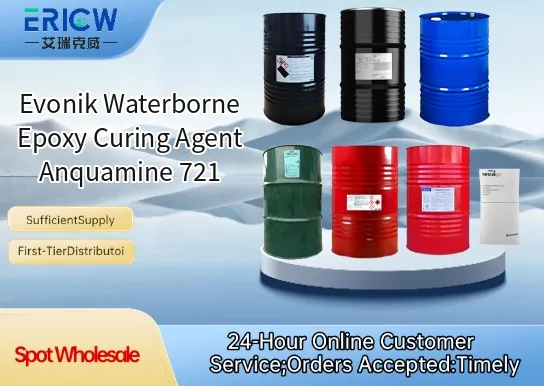
Waterborne, low-VOC formulation compliant with stringent global environmental regulations.
Excellent compatibility with standard waterborne epoxy resins for stable dispersions.
Enables fast ambient-cure film formation with good early hardness development.
Delivers superior corrosion resistance and adhesion to steel and concrete substrates.
Low amine odor and improved workplace safety versus conventional solvent-based amines.
Waterborne epoxy primers for industrial maintenance coatings.
Anti-corrosive coatings for offshore and marine infrastructure.
Concrete floor coatings in food processing and pharmaceutical facilities.
Low-emission protective coatings for HVAC systems and ductwork.
Interior architectural coatings requiring low odor and rapid return-to-service.
| Chemical Type | Aliphatic polyamine adduct |
| Product Form | Water-based liquid dispersion |
| Appearance | Clear to slightly hazy, light yellow liquid |
| Primary Applications | Waterborne epoxy primer and mid-coat systems |
| Key Features | Low VOC, ambient cure, high hydrolytic stability |
| Benefits | Reduced emissions, simplified handling, no solvents required |
| pH (10% aqueous solution) | 9.5–10.5 |
| Storage Stability | ≥12 months at 5–30 °C in sealed container |
Q1: What is the primary function of Anquamine 721 in waterborne epoxy systems?
A: Anquamine 721 is a polyamine-based curing agent specifically designed to react with waterborne epoxy dispersions, enabling ambient- or low-temperature cure to form durable, chemically resistant thermoset films. It provides good compatibility with aqueous epoxy resins and contributes to balanced pot life and film development.
Q2: Is Anquamine 721 suitable for high-performance industrial coatings requiring corrosion protection?
A: Yes — it is commonly formulated into waterborne epoxy primers and intermediate coats for steel and concrete substrates where moderate-to-high corrosion resistance, adhesion, and barrier properties are required. Performance depends on full formulation optimization, including epoxy dispersion selection, pigment volume concentration, and post-cure conditions.
Q3: How does Anquamine 721 compare to solvent-based amine curing agents in terms of VOC content and handling?
A: As a waterborne system component, Anquamine 721 supports low-VOC or zero-VOC formulations when paired with compatible waterborne epoxy resins. It eliminates the need for organic solvents typically used with conventional amine hardeners, improving workplace safety and reducing regulatory reporting burdens associated with volatile organics.
Q4: What are typical storage and handling recommendations for Anquamine 721?
A: Store in original sealed containers at temperatures between 5 °C and 30 °C, protected from freezing and prolonged exposure to moisture or high humidity. Avoid contact with strong oxidizers or acidic materials. Use appropriate personal protective equipment (PPE), including gloves and eye protection, as it may cause skin and eye irritation.
Contact With Us:
E-mail: wangxingqiang@ericwchem.com
Have a Questions? Call Us:
Add:
Building A1, Jiete Industrial Park, Huangpu District, Guangzhou City, Guangdong Province, China