English
 Español
 tiếng việt
 русский
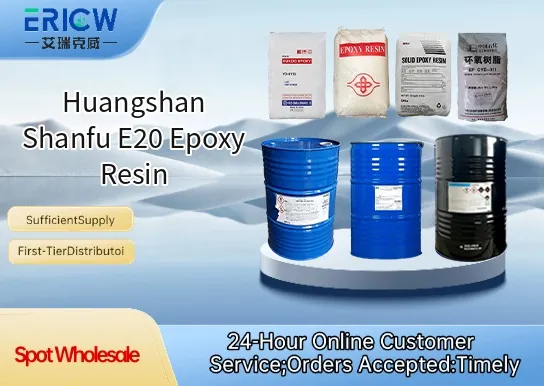
High-purity bisphenol-A based liquid epoxy resin with consistent epoxide equivalent weight (EEW) for reliable reactivity control.
Low volatile organic compound (VOC) content, supporting compliance with industrial environmental and safety standards.
Excellent compatibility with common amine and anhydride curing agents, enabling flexible formulation design.
Superior mechanical strength and chemical resistance in cured form, especially against alkalis and solvents.
Optimized viscosity (10,000–14,000 mPa·s at 25°C) for efficient processing via casting, impregnation, and coating applications.
Electrical insulation systems for dry-type transformers and reactor windings.
Structural adhesives in automotive and rail transportation composites.
High-performance protective coatings for marine and offshore steel structures.
Matrix resin for filament-wound pressure vessels and FRP tanks.
Potting and encapsulation of power electronics and LED modules.
| Chemical Type | Bisphenol-A epoxy resin |
| Product Form | Clear to pale yellow low-viscosity liquid |
| Appearance | Transparent, slightly viscous liquid, free from gels or suspended matter |
| Epoxide Equivalent Weight (EEW) | 188–194 g/eq |
| Viscosity (25°C) | 10,000–14,000 mPa·s |
| Chloride Content | ≤ 500 ppm |
| Softening Point | 12–16°C |
| Storage Stability | ≥ 12 months at ≤ 25°C in sealed containers |
Q1: What is the primary application of Huangshan Shanfu E20 Epoxy Resin?
A: Huangshan Shanfu E20 is a liquid bisphenol-A based epoxy resin commonly used as a reactive binder in high-performance coatings, electrical laminates, and structural adhesives where good mechanical strength, chemical resistance, and thermal stability are required.
Q2: Is E20 suitable for use in heat-cured systems?
A: Yes — E20 exhibits excellent reactivity with common amine and anhydride hardeners and is well suited for medium- to high-temperature cure profiles, typically ranging from 120 °C to 180 °C depending on the curing agent and formulation design.
Q3: How does E20 compare to higher-molecular-weight epoxy resins in terms of viscosity and handling?
A: As a low-viscosity liquid resin, E20 offers favorable processability at ambient temperature — it requires no heating or dilution for most mixing and dispensing operations, making it easier to handle than solid or high-viscosity epoxy grades.
Q4: Can E20 be blended with other epoxy resins or modifiers?
A: Yes — E20 is fully compatible with a broad range of epoxy resins, flexibilizers, reactive diluents, and fillers, allowing formulators to tailor properties such as toughness, glass transition temperature, and crosslink density without phase separation concerns.
Q5: What safety and handling precautions should be observed when working with E20?
A: As with most liquid epoxy resins, appropriate personal protective equipment (PPE) — including nitrile gloves, safety goggles, and adequate ventilation — is recommended during handling to minimize skin contact and inhalation of vapors or mists.
Contact With Us:
E-mail: wangxingqiang@ericwchem.com
Have a Questions? Call Us:
Add:
Building A1, Jiete Industrial Park, Huangpu District, Guangzhou City, Guangdong Province, China