English
 Español
 tiếng việt
 русский
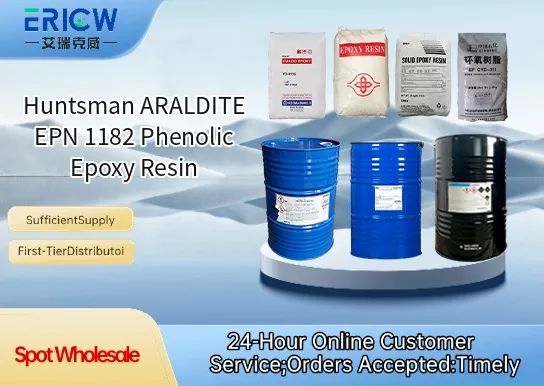
High thermal stability with glass transition temperature (Tg) exceeding 180 °C after full cure.
Exceptional chemical resistance to strong acids, alkalis, and solvents in demanding industrial environments.
Low viscosity formulation enabling excellent flow, wetting, and impregnation of complex fiber architectures.
Phenolic epoxy backbone providing superior char yield and flame retardancy without halogen additives.
Designed for high-performance composites requiring long-term structural integrity at elevated temperatures.
Aerospace primary and secondary structural components, including engine nacelles and thrust reversers.
High-voltage electrical insulation systems such as bushings, switchgear housings, and transformer components.
Carbon-fiber reinforced tooling matrices for autoclave-cured composite molds and mandrels.
Fire-rated marine interior panels and bulkheads meeting IMO FTPC and SOLAS compliance requirements.
Industrial linings and coatings for chemical processing equipment exposed to aggressive media.
| Chemical Type | Phenolic epoxy novolac resin |
| Product Form | Amber to light brown viscous liquid |
| Appearance | Clear to slightly hazy, homogeneous liquid |
| Epoxide Equivalent Weight (EEW) | 170–185 g/eq |
| Viscosity at 25 °C | 8,000–12,000 cP |
| Softening Point | Approx. 45–55 °C |
| Primary Applications | High-temp composites, electrical insulation, fire-safe laminates |
| Key Features | Halogen-free flame retardancy, high Tg, low moisture absorption |
Q1: What is the primary functional advantage of ARALDITE EPN 1182 compared to standard bisphenol-A epoxy resins?
A: ARALDITE EPN 1182 is a phenolic novolac-based epoxy resin offering significantly higher functionality and aromatic density than standard bisphenol-A epoxies. This results in enhanced thermal stability, superior chemical resistance—particularly to strong acids and solvents—and improved char yield during high-temperature exposure.
Q2: Is ARALDITE EPN 1182 suitable for high-performance composite applications requiring flame retardancy?
A: Yes—its high aromatic content and char-forming tendency make it a preferred base resin in formulations targeting improved fire performance, especially when combined with synergistic flame-retardant additives. It is commonly selected for aerospace, rail, and electrical insulation applications where reduced smoke and toxicity under thermal stress are critical.
Q3: How does ARALDITE EPN 1182 behave during cure with common amine or anhydride hardeners?
A: Due to its high epoxy functionality and rigid backbone, EPN 1182 typically requires elevated cure temperatures and longer hold times to achieve full crosslink density. It shows good reactivity with dicyandiamide (DICY), aromatic amines, and certain anhydrides—but formulators should expect higher glass transition temperatures and increased brittleness relative to lower-functionality epoxies, often necessitating careful toughening strategies.
Q4: Can ARALDITE EPN 1182 be blended with other epoxy resins to modify performance?
A: Yes—it is miscible with many liquid and solid epoxy resins, including DGEBA types and other novolac epoxies. Blending allows formulators to balance properties such as processability, toughness, heat resistance, and cost. However, compatibility and phase behavior should be verified experimentally, particularly in solvent-free or high-solids systems.
Contact With Us:
E-mail: wangxingqiang@ericwchem.com
Have a Questions? Call Us:
Add:
Building A1, Jiete Industrial Park, Huangpu District, Guangzhou City, Guangdong Province, China