English
 Español
 tiếng việt
 русский
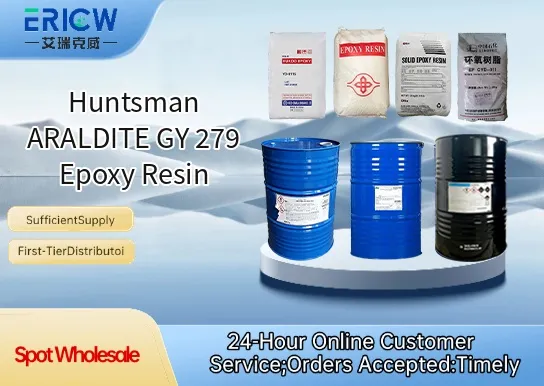
Low-viscosity liquid epoxy resin enabling excellent wetting and impregnation of fibrous reinforcements.
High reactivity with amine hardeners, supporting fast cure cycles in industrial manufacturing processes.
Excellent mechanical properties after curing, including high tensile strength and impact resistance.
Good chemical resistance to alkalis, solvents, and moderate acids in cured form.
Consistent batch-to-batch quality and long shelf life under recommended storage conditions.
Fiber-reinforced composites for wind turbine blades and structural components.
Electrical laminates and insulating materials in power transmission equipment.
Adhesives and structural bonding systems for automotive and rail transport.
Coatings and linings for corrosion-resistant tanks and piping systems.
Tooling resins for molds used in composite part production.
| Chemical Type | Diglycidyl ether of bisphenol-A (DGEBA) |
| Product Form | Low-viscosity liquid |
| Appearance | Pale yellow, clear liquid |
| Epoxy Equivalent Weight (EEW) | 185–192 g/eq |
| Viscosity at 25°C | 12–16 Pa·s |
| Color (Gardner Scale) | ≤3 |
| Volatiles Content | <0.3 wt% |
| Storage Stability | 12 months at 25°C in unopened containers |
Q1: What is the primary function of ARALDITE GY 279 in epoxy formulations?
A: ARALDITE GY 279 is a low-viscosity, liquid diglycidyl ether of bisphenol-F epoxy resin designed to serve as a reactive diluent and viscosity modifier. It enhances processability—especially in casting, potting, and filament winding applications—while maintaining good mechanical performance and chemical resistance after cure.
Q2: How does GY 279 compare to standard DGEBA resins like GY 250 or GY 260?
A: GY 279 offers lower viscosity and higher reactivity than typical bisphenol-A based resins, resulting in improved wetting of reinforcements and faster gel times under comparable cure conditions. Its bisphenol-F backbone also contributes to enhanced thermal stability and reduced moisture absorption relative to many DGEBA variants.
Q3: Is GY 279 suitable for high-performance composite laminates?
A: Yes—it is commonly used in aerospace- and wind energy-grade prepregs and infusion systems where low viscosity, excellent fiber impregnation, and balanced toughness are required. Its compatibility with common hardeners (e.g., aromatic amines, anhydrides) supports formulation flexibility for demanding structural applications.
Q4: Can GY 279 be blended with other epoxy resins?
A: Yes—GY 279 is fully miscible with most commercial liquid and solid epoxy resins, including DGEBA types and novolacs. Blending allows formulators to fine-tune viscosity, reactivity, and final cured properties without phase separation concerns under standard handling conditions.
Q5: What safety and handling precautions should be observed?
A: As with all epoxy resins, appropriate personal protective equipment—including nitrile gloves, eye protection, and adequate ventilation—is recommended during handling. Skin contact should be avoided due to potential sensitization; refer to the current Safety Data Sheet (SDS) for detailed toxicological and first-aid information.
Contact With Us:
E-mail: wangxingqiang@ericwchem.com
Have a Questions? Call Us:
Add:
Building A1, Jiete Industrial Park, Huangpu District, Guangzhou City, Guangdong Province, China