English
 Español
 tiếng việt
 русский
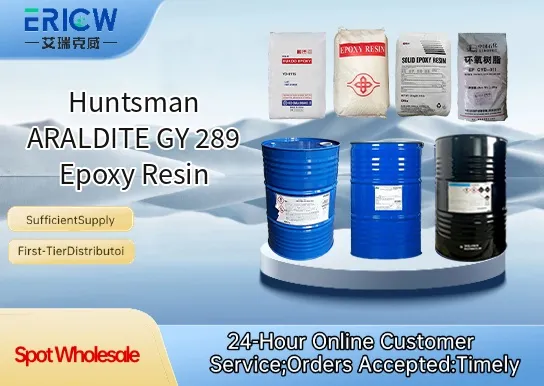
Low-viscosity liquid epoxy resin enabling excellent wetting and impregnation of fibrous reinforcements.
High reactivity with amine hardeners, supporting efficient processing in infusion and RTM manufacturing.
Good mechanical performance retention after post-curing, especially in elevated temperature environments.
Compatible with standard epoxy curing agents and modifiers for tailored formulation flexibility.
Consistent batch-to-batch quality meeting stringent industrial production requirements.
Wind turbine blade manufacturing via vacuum infusion and resin transfer molding (RTM).
Composite parts for aerospace secondary structures requiring high fiber volume fraction.
Marine and transportation components demanding dimensional stability and moisture resistance.
High-performance sporting goods such as bicycle frames and racing car body panels.
| Chemical Type | Diglycidyl ether of bisphenol A (DGEBA) |
| Product Form | Low-viscosity liquid |
| Appearance | Pale yellow to colorless transparent liquid |
| Epoxide Equivalent Weight (EEW) | 185–192 g/eq |
| Viscosity at 25°C | 12–16 Pa·s |
| Chloride Content | ≤ 500 ppm |
| Primary Applications | Structural composites, infusion, RTM, prepreg |
| Key Features | Low viscosity, high reactivity, excellent fiber wetting |
Q1: What is the primary function of ARALDITE GY 289 in epoxy formulations?
A: ARALDITE GY 289 is a low-viscosity, liquid diglycidyl ether of bisphenol-F epoxy resin designed to serve as a reactive diluent and viscosity modifier. It enhances processability—especially in casting, potting, and filament winding applications—while maintaining good mechanical and thermal performance in the cured network.
Q2: Can ARALDITE GY 289 be used as a standalone resin, or does it require blending with other epoxy resins?
A: While ARALDITE GY 289 is a fully functional epoxy resin, it is most commonly blended with higher-molecular-weight resins (e.g., solid or higher-viscosity liquid bisphenol-A types) to balance reactivity, viscosity, and final crosslink density. Standalone use is possible but may result in reduced heat resistance and mechanical rigidity compared to hybrid systems.
Q3: How does ARALDITE GY 289 compare to standard bisphenol-A epoxy resins like GY 250 or GY 260 in terms of chemical resistance?
A: Due to its bisphenol-F backbone, ARALDITE GY 289 generally offers improved resistance to acidic environments and enhanced flexibility in the cured state. However, its resistance to strong alkalis and certain solvents may differ from bisphenol-A-based resins—formulation-specific testing is recommended for critical end-use conditions.
Q4: Is ARALDITE GY 289 compatible with common amine, anhydride, and catalytic hardeners?
A: Yes, ARALDITE GY 289 is broadly compatible with standard epoxy curing agents—including aliphatic and aromatic amines, cyclic anhydrides, and latent catalysts such as imidazoles or BF₃ complexes. Cure schedules and stoichiometry should be optimized based on the selected hardener and desired performance profile.
Contact With Us:
E-mail: wangxingqiang@ericwchem.com
Have a Questions? Call Us:
Add:
Building A1, Jiete Industrial Park, Huangpu District, Guangzhou City, Guangdong Province, China