English
 Español
 tiếng việt
 русский
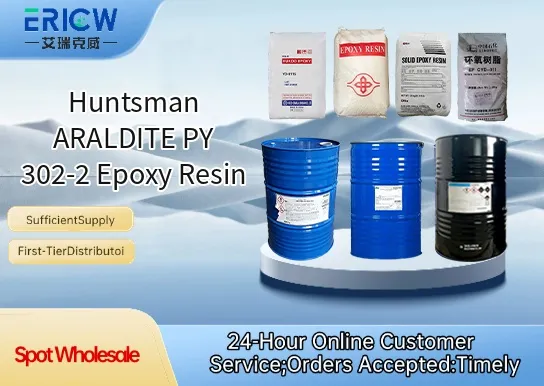
High-performance bisphenol-A based liquid epoxy resin with low viscosity for excellent processability.
Optimized for use in high-gloss, durable coating systems requiring superior chemical and weather resistance.
Offers excellent adhesion to metals, composites, and cured polymer substrates.
Compatible with standard amine and anhydride hardeners for flexible formulation design.
Meets RoHS compliance requirements and contains no intentionally added REACH SVHC substances.
Automotive underhood coatings and protective primers.
Industrial maintenance coatings for steel infrastructure and equipment.
High-performance can and coil coatings requiring bake stability and corrosion protection.
Electrical insulation varnishes for motors and transformers.
Composite matrix resins for filament-wound pressure vessels and structural laminates.
| Chemical Type | Bisphenol-A epoxy resin |
| Product Form | Liquid |
| Appearance | Pale yellow to amber clear liquid |
| Epoxy Equivalent Weight (EEW) | 185–195 g/eq |
| Viscosity at 25°C | 12,000–16,000 mPa·s |
| Epoxide Content | 17.5–18.5 % (w/w) |
| Density at 25°C | 1.16–1.18 g/cm³ |
| Storage Stability | Stable for ≥12 months at ≤25°C in original sealed container |
Q1: What is the primary function of ARALDITE PY 302-2 in epoxy formulations?
A: ARALDITE PY 302-2 is a reactive liquid diluent designed to reduce viscosity and improve processability of standard bisphenol-A or bisphenol-F based epoxy resins without significantly compromising final mechanical or thermal performance.
Q2: Is PY 302-2 suitable for high-gloss coating applications?
A: Yes — due to its low volatility, excellent compatibility, and minimal impact on film clarity, PY 302-2 is commonly selected in high-performance industrial coatings and decorative finishes where gloss retention and surface uniformity are critical.
Q3: How does PY 302-2 compare to non-reactive diluents in terms of VOC content and regulatory compliance?
A: As a reactive diluent, PY 302-2 becomes chemically bound into the cured network, resulting in negligible VOC emissions during cure — supporting formulators aiming for low-VOC or exempt-solvent compliant systems under major regional environmental guidelines.
Q4: Can PY 302-2 be used in heat-cured structural adhesives?
A: Yes — it is compatible with common amine and anhydride curing agents and maintains good thermal stability post-cure, making it suitable for structural adhesive formulations requiring elevated temperature resistance and consistent rheology control during dispensing and bonding.
Contact With Us:
E-mail: wangxingqiang@ericwchem.com
Have a Questions? Call Us:
Add:
Building A1, Jiete Industrial Park, Huangpu District, Guangzhou City, Guangdong Province, China