English
 Español
 tiếng việt
 русский
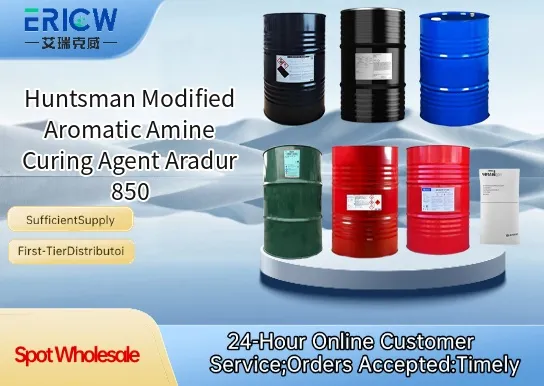
Low-viscosity liquid enabling easy handling and precise metering in automated dispensing systems.
Fast-reacting at ambient temperature, delivering rapid build of mechanical properties without forced cure.
Excellent chemical resistance, particularly to hydrocarbons, solvents, and weak acids after full cure.
Superior adhesion to metals, composites, and concrete substrates without primer requirement.
Reduced exotherm compared to standard aromatic amines, improving safety and minimizing thermal stress in thick-section casting.
Structural adhesive formulations for aerospace composite bonding and repair.
High-performance flooring and lining systems in chemical processing plants.
Electrical potting and encapsulation compounds requiring thermal stability and dielectric integrity.
Marine and offshore protective coatings for steel infrastructure exposed to seawater and abrasion.
Wind turbine blade bonding adhesives where low-temperature cure and toughness are critical.
| Chemical Type | Modified aromatic amine |
| Product Form | Liquid |
| Appearance | Amber to light brown transparent liquid |
| Primary Applications | Epoxy resin curing agent for structural adhesives, coatings, and composites |
| Key Features | Ambient-cure capability, low viscosity, high Tg potential, excellent wetting |
| Benefits | Improved productivity, reduced energy consumption, enhanced durability in aggressive environments |
| Storage Stability | 12 months at 20–25°C in original sealed container |
| Compatibility | Designed for use with standard DGEBA and cycloaliphatic epoxy resins |
Q1: What is the primary function of Aradur 850 in epoxy systems?
A: Aradur 850 is a modified aromatic amine curing agent designed to provide enhanced reactivity, improved chemical resistance, and reduced volatility compared to conventional aromatic amines—making it suitable for high-performance structural adhesives, composites, and protective coatings.
Q2: How does Aradur 850 compare to standard DETA or m-PDA in terms of handling and safety?
A: As a modified aromatic amine, Aradur 850 exhibits lower volatility and reduced skin sensitization potential relative to unmodified aromatic diamines like m-phenylenediamine (m-PDA), while offering better latency and handling characteristics than highly reactive aliphatic amines such as DETA—supporting safer industrial processing without compromising cure performance.
Q3: Is Aradur 850 compatible with standard bisphenol-A and bisphenol-F epoxy resins?
A: Yes, Aradur 850 is broadly compatible with common liquid and solid bisphenol-A and bisphenol-F epoxy resins, and is frequently used in formulations requiring elevated temperature resistance, mechanical toughness, and moisture tolerance—particularly in aerospace, wind energy, and industrial tooling applications.
Q4: What are typical processing conditions when using Aradur 850?
A: Aradur 850 typically enables room-temperature cure with post-cure options at elevated temperatures (e.g., 80–120 °C) to maximize crosslink density and thermal stability. Its reactivity profile supports both ambient-cure adhesives and heat-assisted composite laminates, depending on formulation design and end-use requirements.
Q5: Can Aradur 850 be used in formulations requiring low viscosity or extended pot life?
A: Yes—its modified structure provides favorable viscosity characteristics and improved latency versus traditional aromatic amines, allowing formulators to achieve longer working times at ambient temperature while maintaining reliable cure development under applied heat or over time.
Contact With Us:
E-mail: wangxingqiang@ericwchem.com
Have a Questions? Call Us:
Add:
Building A1, Jiete Industrial Park, Huangpu District, Guangzhou City, Guangdong Province, China