English
 Español
 tiếng việt
 русский
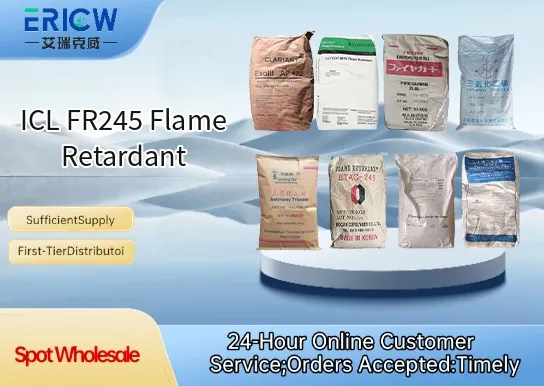
Bromine-free, halogen-free formulation for enhanced environmental and regulatory compliance.
Excellent thermal stability up to 300 °C, supporting high-temperature processing of engineering plastics.
Low smoke density and reduced toxic gas emission during combustion, meeting stringent fire safety standards.
Good compatibility with polyamide (PA6, PA66), polybutylene terephthalate (PBT), and thermoplastic polyurethane (TPU).
Minimal impact on mechanical properties—preserves tensile strength, impact resistance, and surface finish of host polymers.
Electrical and electronic components requiring UL 94 V-0 rating at thin-wall sections (e.g., connectors, housings).
Automotive interior parts including door panels, center consoles, and under-hood components.
Consumer electronics enclosures for laptops, power tools, and smart home devices.
Industrial automation housings and control system components exposed to elevated ambient temperatures.
3D-printed functional prototypes and end-use parts where flame retardancy and dimensional stability are critical.
| Chemical Type | Phosphorus-based, organic flame retardant |
| Product Form | Free-flowing white to off-white granules |
| Appearance | Uniform granular solid, free of visible impurities |
| Density | 1.35–1.45 g/cm³ (at 23 °C) |
| Melting Range | 280–300 °C (DSC, heating rate 10 °C/min) |
| Moisture Content | ≤0.2 wt% (by Karl Fischer titration) |
| Thermal Decomposition Onset | ≥320 °C (TGA, air atmosphere, 10 °C/min) |
| Key Regulatory Status | REACH registered; RoHS 2 compliant; no SVHCs above threshold |
Q1: What is the primary chemical nature of ICL FR245?
A: ICL FR245 is a reactive phosphorus-based flame retardant designed for incorporation into polymer backbones—particularly in polyurethane and epoxy systems—where it chemically bonds during curing to provide durable, non-migrating flame resistance.
Q2: Is ICL FR245 suitable for flexible or rigid polyurethane foams?
A: Yes, ICL FR245 is widely used in both flexible and rigid PU foam formulations, offering balanced flame performance without significantly compromising foam density, resilience, or processing characteristics.
Q3: How does ICL FR245 compare to additive flame retardants in terms of leaching resistance?
A: As a reactive flame retardant, ICL FR245 forms covalent bonds within the polymer matrix, resulting in significantly improved resistance to extraction, migration, and volatilization compared to conventional additive types.
Q4: Can ICL FR245 be used in low-VOC or high-solids coating systems?
A: Yes—its low volatility and compatibility with common resins make ICL FR245 well-suited for modern low-VOC and high-solids coatings, especially where regulatory compliance and long-term fire safety are critical.
Q5: What is the typical dosage range for effective flame retardancy in epoxy composites?
A: Dosage depends on formulation requirements and target fire performance, but ICL FR245 is typically used at low concentrations—generally ranging from 0.1% to 2% by weight relative to total resin solids—to achieve UL 94 V-0 or equivalent ratings.
Contact With Us:
E-mail: wangxingqiang@ericwchem.com
Have a Questions? Call Us:
Add:
Building A1, Jiete Industrial Park, Huangpu District, Guangzhou City, Guangdong Province, China