English
 Español
 tiếng việt
 русский
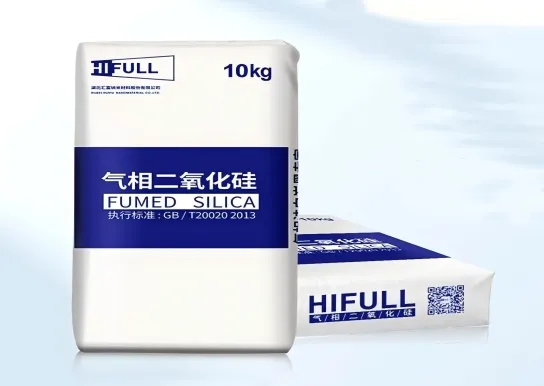
Highly selective cobalt-molybdenum-based heterogeneous catalyst for hydrodesulfurization (HDS) and hydrodenitrogenation (HDN) reactions.
Thermally stable formulation engineered for extended service life under high-pressure, high-temperature hydrotreating conditions.
Optimized pore structure and surface area to maximize diffusion efficiency and minimize coke deposition.
Pre-sulfided ready-to-use form eliminates on-site sulfiding steps and reduces startup time and safety risks.
Consistent batch-to-batch performance validated through rigorous QC testing per ASTM D6751 and internal King Industries standards.
Hydrotreating of naphtha and light distillates in petroleum refineries.
Sulfur removal from diesel and jet fuel streams to meet ultra-low sulfur diesel (ULSD) specifications.
Upgrading of cracked feedstocks including FCC naphtha and coker gas oil.
Hydroprocessing of bio-derived feedstocks such as hydrotreated vegetable oil (HVO) and renewable diesel.
Residual oil desulfurization in delayed coker feed pretreatment units.
| Chemical Type | Cobalt-Molybdenum on gamma-alumina support |
| Product Form | Extruded cylindrical pellets (1.8–2.0 mm diameter) |
| Appearance | Black, free-flowing granular solid |
| Primary Applications | Hydrodesulfurization (HDS), hydrodenitrogenation (HDN), aromatic saturation |
| Key Features | Pre-sulfided, thermally stable, high metal dispersion, low dust generation |
| Benefits | Reduced plant downtime, lower hydrogen consumption, improved product quality consistency |
| Storage Requirement | Store in dry, ventilated area; protect from moisture and direct sunlight |
| Handling Precaution | Use appropriate PPE; avoid inhalation of dust; comply with OSHA 29 CFR 1910.1200 |
Q1: What is the primary function of K-1040 in polyurethane systems?
A: K-1040 is a highly selective tertiary amine catalyst designed to promote urethane (polyol–isocyanate) reactions while minimizing urea (water–isocyanate) formation. It is commonly used to enhance gel time control and improve cell structure uniformity in flexible and semi-rigid foams.
Q2: Is K-1040 compatible with other catalysts in blended systems?
A: Yes, K-1040 is widely used in combination with other amine and metal-based catalysts—such as DABCO® 33-LV or stannous octoate—to fine-tune reactivity profiles. Compatibility should be verified experimentally for each specific formulation due to potential synergistic or inhibitory interactions.
Q3: How should K-1040 be handled and stored to maintain performance?
A: K-1040 should be stored in its original sealed container under cool, dry conditions, away from direct sunlight and strong oxidizing agents. It is hygroscopic and may absorb moisture over time, so containers should be resealed promptly after use to preserve catalytic activity and shelf life.
Q4: Can K-1040 be used in low-emission or automotive foam applications?
A: Yes, K-1040 is frequently selected for low-VOC and low-odor formulations targeting automotive and indoor air quality-sensitive applications. Its molecular structure contributes to reduced volatility and improved retention during foam curing, supporting compliance with stringent emission guidelines.
Q5: What is the typical dosage range for K-1040 in standard flexible slabstock foam?
A: Dosage is formulation-dependent, but K-1040 is generally used at low concentrations—typically ranging from 0.1% to 2% by weight relative to the polyol component. Optimal levels should be determined through small-scale trials to balance cream time, rise profile, and final physical properties.
Contact With Us:
E-mail: wangxingqiang@ericwchem.com
Have a Questions? Call Us:
Add:
Building A1, Jiete Industrial Park, Huangpu District, Guangzhou City, Guangdong Province, China