English
 Español
 tiếng việt
 русский
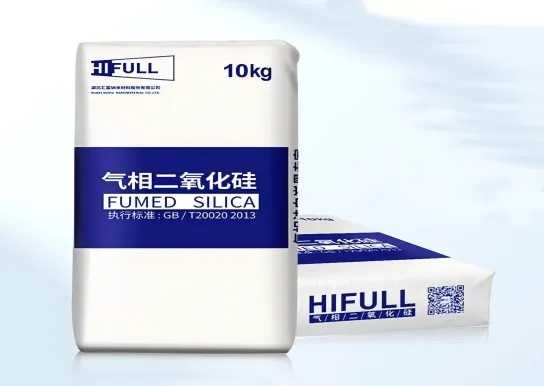
Highly selective cobalt-based catalyst optimized for low-temperature oxidation reactions.
Thermally stable up to 220°C, enabling robust performance in continuous industrial processes.
Low metal leaching profile, supporting compliance with stringent environmental and product purity standards.
Easy dispersion in aqueous and polar organic media, facilitating uniform incorporation into reaction systems.
Consistent batch-to-batch reproducibility ensured through ISO 9001-certified manufacturing controls.
Production of aliphatic carboxylic acids via liquid-phase air oxidation of aldehydes.
Catalytic synthesis of specialty esters in fine chemical intermediates manufacturing.
Oxidation of hydroxyl-containing compounds in pharmaceutical active ingredient (API) synthesis.
Enhancement of peroxide decomposition kinetics in polymer stabilization formulations.
Facilitation of selective C–H activation in agrochemical intermediate pathways.
| Chemical Type | Cobalt(II) naphthenate complex |
| Product Form | Liquid solution (in aromatic hydrocarbon solvent) |
| Appearance | Clear, dark green to brownish-red liquid |
| Cobalt Content (by ICP-OES) | 6.0–6.5 wt% |
| Density (25°C) | 0.98–1.02 g/cm³ |
| Flash Point (COC) | 68°C (closed cup) |
| pH (1% w/w aqueous emulsion) | 5.8–6.4 |
| Storage Stability | ≥24 months at 15–25°C under inert atmosphere |
Q1: What is the primary function of K-5100 in polymer systems?
A: K-5100 is a high-performance organometallic catalyst designed to accelerate crosslinking and condensation reactions—particularly in silicone-based sealants, adhesives, and coatings—enhancing cure speed and final network density without compromising pot life.
Q2: Is K-5100 compatible with moisture-cure formulations?
A: Yes, K-5100 exhibits excellent compatibility with moisture-curable systems, including alkoxy- and acetoxy-silane terminated polymers. It promotes efficient room-temperature curing while maintaining formulation stability under anhydrous storage conditions.
Q3: How should K-5100 be handled and stored?
A: K-5100 should be stored in tightly sealed containers under dry, inert atmosphere (e.g., nitrogen), protected from moisture and ambient light. Handling requires standard industrial hygiene practices—including gloves and eye protection—as it is sensitive to hydrolysis and may react exothermically upon contact with water.
Q4: What is the typical dosage range for K-5100 in end-use formulations?
A: Dosage is formulation-dependent but generally ranges from 0.1% to 2% by weight relative to the base polymer. Optimal loading is determined empirically based on desired cure profile, substrate interaction, and rheological requirements.
Contact With Us:
E-mail: wangxingqiang@ericwchem.com
Have a Questions? Call Us:
Add:
Building A1, Jiete Industrial Park, Huangpu District, Guangzhou City, Guangdong Province, China