English
 Español
 tiếng việt
 русский
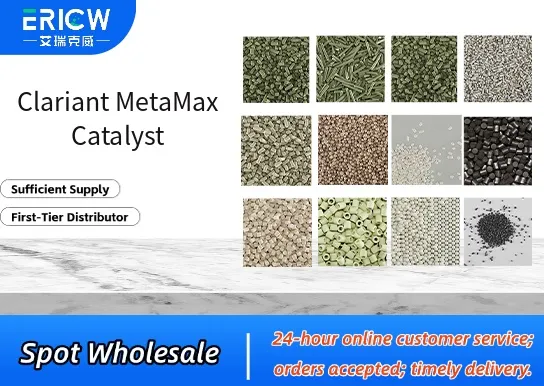
Highly selective palladium-based heterogeneous catalyst optimized for cross-coupling reactions.
Thermally stable up to 180 °C, enabling robust performance in elevated-temperature batch and continuous processes.
Low residual metal leaching (<0.5 ppm Pd in final product), supporting stringent pharmaceutical and agrochemical purity requirements.
Engineered with controlled particle size distribution (D₅₀ ≈ 15–25 µm) for consistent filtration and reactor handling.
Supplied as a ready-to-use, pre-reduced solid—no in-situ activation required.
Suzuki-Miyaura coupling in active pharmaceutical ingredient (API) synthesis.
Heck reactions for fine chemical intermediates used in electronic materials.
C–N bond formation in heterocyclic compound manufacturing.
Scale-up of catalytic hydrogenation steps in agrochemical production.
Flow chemistry applications requiring high catalyst durability and low pressure drop.
| Chemical Type | Palladium on activated carbon (Pd/C), modified with proprietary ligand stabilization |
| Product Form | Free-flowing black granular solid |
| Appearance | Black, non-dusting granules |
| Palladium Content | 5.0 ± 0.3 wt% |
| Moisture Content | ≤ 0.5 wt% |
| Ignition Loss (550 °C) | 12–18% |
| Primary Applications | Cross-coupling, reductive amination, deprotection |
| Storage Conditions | Store under inert atmosphere at 15–25 °C; protect from moisture and oxidizing agents |
Q1: What is the primary chemical function of N-1419 in polyurethane systems?
A: N-1419 is a tertiary amine-based catalyst designed to promote the urethane reaction (isocyanate–polyol coupling), offering balanced activity with reduced sensitivity to moisture compared to highly reactive alternatives. It supports efficient gelation and cure development while maintaining workable pot life in flexible and semi-rigid foam formulations.
Q2: How does N-1419 compare to traditional catalysts like DABCO® 33-LV or TEDA in terms of odor and volatility?
A: N-1419 exhibits lower volatility and significantly reduced amine odor relative to many standard liquid tertiary amine catalysts. This characteristic contributes to improved handling safety, reduced workplace ventilation requirements, and enhanced suitability for applications where post-cure emissions are a concern.
Q3: Is N-1419 compatible with common polyurethane formulation components such as silicone surfactants, flame retardants, and water-blown systems?
A: Yes—N-1419 demonstrates broad compatibility across typical polyurethane ingredient families, including silicone-based foam stabilizers, halogen-free and reactive flame retardants, and both water- and physical-blowing-agent systems. As with any catalyst addition, compatibility should be verified under actual processing conditions.
Q4: What is the recommended handling and storage guidance for N-1419?
A: Store in tightly sealed original containers under cool, dry conditions away from direct sunlight and strong oxidizing agents. Avoid prolonged exposure to air and moisture to preserve catalytic activity. Standard industrial hygiene practices—including gloves and eye protection—are recommended during handling due to its alkaline nature.
Contact With Us:
E-mail: wangxingqiang@ericwchem.com
Have a Questions? Call Us:
Add:
Building A1, Jiete Industrial Park, Huangpu District, Guangzhou City, Guangdong Province, China