English
 Español
 tiếng việt
 русский
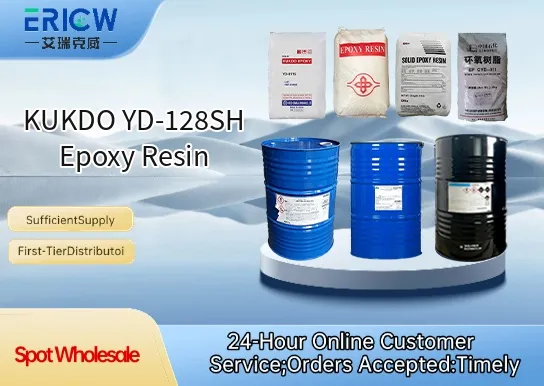
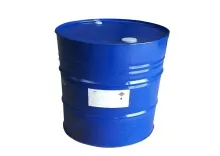
High-purity bisphenol-A based liquid epoxy resin with low chlorine content.
Excellent compatibility with standard amine and anhydride curing agents.
Superior mechanical strength and chemical resistance after full cure.
Low viscosity for easy processing, mixing, and impregnation in composite manufacturing.
Consistent batch-to-batch performance meeting ISO 9001 quality control standards.
Fiberglass-reinforced plastics (FRP) for corrosion-resistant tanks and piping.
Electrical laminates and insulating components in power transmission equipment.
Structural adhesives for aerospace and automotive bonding applications.
High-performance composites used in wind turbine blade manufacturing.
Potting and encapsulation compounds for electronic modules and sensors.
| Chemical Type | Bisphenol-A diglycidyl ether (DGEBA) |
| Product Form | Clear to pale yellow viscous liquid |
| Appearance | Homogeneous, transparent, free of sediment |
| Epoxy Equivalent Weight (EEW) | 185–192 g/eq |
| Viscosity at 25°C | 12,000–15,000 cP |
| Chlorine Content | ≤ 800 ppm |
| Softening Point | Not applicable (liquid at room temperature) |
| Storage Stability | 12 months at ≤ 25°C in unopened original container |
Q1: What is the primary application niche for KUKDO YD-128SH?
A: KUKDO YD-128SH is a liquid bisphenol-A based epoxy resin specifically engineered for high-performance coating systems—particularly in industrial maintenance, marine primers, and corrosion-resistant tank linings where balanced reactivity, adhesion, and chemical resistance are critical.
Q2: How does YD-128SH differ from standard DGEBA resins like YD-128?
A: YD-128SH features a refined molecular weight distribution and optimized chlorine content, resulting in improved hydrolytic stability and reduced gel time variability under ambient curing conditions—making it especially suitable for solvent-free or low-VOC formulations requiring consistent pot life.
Q3: Is YD-128SH compatible with common amine-based hardeners?
A: Yes—YD-128SH demonstrates broad compatibility with aliphatic, cycloaliphatic, and aromatic amine hardeners, as well as polyamide and modified polyamine systems. Optimal stoichiometry and cure profile should be validated experimentally for each specific formulation.
Q4: Can YD-128SH be used in food-contact coatings?
A: While YD-128SH meets typical purity requirements for industrial epoxy systems, its suitability for food-contact applications depends on full formulation compliance—including hardener selection, curing conditions, and final regulatory assessment. It is not pre-certified for such use and requires end-product evaluation by qualified regulatory experts.
Q5: What storage conditions are recommended to maintain product stability?
A: Store in original sealed containers at temperatures between 10–30°C, away from direct sunlight and moisture. Prolonged exposure to temperatures above 40°C may accelerate viscosity increase; freezing must be avoided as crystallization can occur and requires controlled, uniform warming to fully redissolve.
Contact With Us:
E-mail: wangxingqiang@ericwchem.com
Have a Questions? Call Us:
Add:
Building A1, Jiete Industrial Park, Huangpu District, Guangzhou City, Guangdong Province, China