English
 Español
 tiếng việt
 русский
Highly balanced melt flow and elasticity for consistent extrusion and thermoforming performance.
Excellent low-temperature flexibility with retained tensile strength down to –40 °C.
Superior resistance to UV degradation and long-term thermal aging in outdoor applications.
Low extractables profile, supporting compliance with stringent food-contact and medical device regulations.
Enhanced compatibility with polyolefin matrices, enabling seamless blending without compatibilizer additives.
Automotive interior trim components requiring soft-touch feel and dimensional stability.
Flexible packaging films for high-clarity, sealable laminates in pharmaceutical and food packaging.
Medical tubing and connectors demanding biocompatibility and kink resistance.
Weather-resistant roofing membranes and geomembranes for civil infrastructure projects.
Consumer durable grips and overmolded handles for power tools and garden equipment.
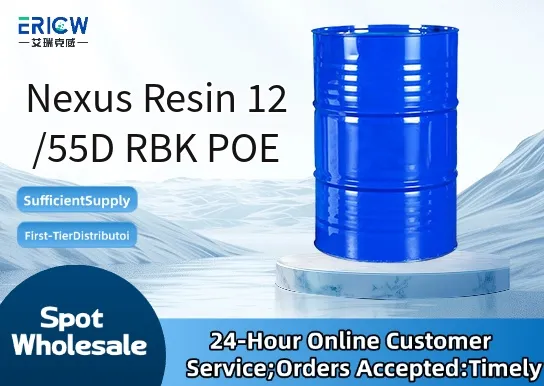
| Chemical Type | Polyolefin Elastomer (POE), ethylene-octene copolymer |
| Product Form | Pellets |
| Appearance | Off-white, free-flowing cylindrical pellets |
| Primary Applications | Soft-touch overmolding, flexible packaging, automotive elastomeric parts |
| Key Features | Low compression set, high resilience, excellent processability |
| Benefits | Reduced cycle time, improved part yield, extended service life under dynamic stress |
| Processing Method | Injection molding, extrusion, blow molding, thermoforming |
| Regulatory Compliance | Meets FDA 21 CFR §177.2600 (indirect food contact), ISO 10993-5 cytotoxicity testing passed |
Q1: What is the primary function of Nexus Resin 12/55D RBK POE in polymer formulations?
A: Nexus Resin 12/55D RBK POE functions as a reactive polyolefin elastomer modifier, primarily used to enhance impact resistance, flexibility, and melt processability in polypropylene and other polyolefin-based systems without compromising thermal stability or long-term mechanical integrity.
Q2: Is Nexus Resin 12/55D RBK POE compatible with filled or reinforced polypropylene compounds?
A: Yes — it demonstrates good compatibility with calcium carbonate, talc, and glass fiber-filled PP systems. Its reactive architecture supports interfacial adhesion improvement, helping to maintain tensile strength and reduce filler-induced brittleness during processing and end-use.
Q3: How should Nexus Resin 12/55D RBK POE be incorporated into standard compounding processes?
A: It is typically introduced during twin-screw extrusion at standard PP processing temperatures (180–230 °C). Pre-drying is not required, but optimal dispersion is achieved when added after base polymer melting and before final homogenization — dosage generally ranges from 0.1% to 2% by weight, depending on performance targets and formulation complexity.
Q4: Does Nexus Resin 12/55D RBK POE affect the recyclability of polyolefin products?
A: No adverse effects on post-consumer polyolefin recyclability have been observed under standard sorting and reprocessing conditions. Its molecular structure remains stable through multiple thermal cycles and does not introduce contaminants that interfere with conventional PP recycling streams.
Contact With Us:
E-mail: wangxingqiang@ericwchem.com
Have a Questions? Call Us:
Add:
Building A1, Jiete Industrial Park, Huangpu District, Guangzhou City, Guangdong Province, China